
Choosing the right set can transform both your tone and your playing comfort. Tension and materials affect resonance, durability, and playability. Artists such as James Taylor and Bob Dylan helped popularize this style, showing how much the right strings can shape a guitar’s voice.
The right balance depends on your level and playing style. A medium gauge can support beginners, while a lighter set makes fingerpicking easier. Phosphor bronze strings offer a different warmth from steel models.
This practical guide explains how to test different tensions, check bridge tension, and learn to change strings regularly. For detailed advice and gauge comparison charts, see our string gauge guide.
Understanding the role of string gauge on a folk guitar
String tension shapes the feel and tone color from the very first note.
What tension means: Gauge refers to the diameter of the string and reflects the tension applied when the string is at rest. A larger diameter increases tension and resistance under the fingers.
How diameter affects playability: Gauges such as 10-46 or 10-47 are often recommended for beginners because they reduce pressure on the fingertips.
- A guitar string gauge is measured in inches and affects tension on the neck.
- An acoustic guitar needs balance: too light can sound weak, while too heavy can tire the fingers.
- Steel strings provide more projection, but require more effort to fret the notes.
- Understanding guitar string gauge helps prevent buzzing and rattling while playing.
To learn more about string sets and alloys, see our full feature on acoustic guitar strings.
Which string gauge should you choose for a folk guitar based on your profile?
Your playing profile directly guides the choice of set and diameter.
Beginners: a 10-47 set offers low resistance and makes learning easier. The fingers hurt less, and progress feels faster.
Intermediate and advanced players: the 12-53 standard remains the factory reference. It provides more projection and stability, ideal for chord work on an acoustic guitar.
- Moving to a heavier gauge may require a neck adjustment.
- Hybrid gauges combine flexible trebles with powerful bass strings.
- Your own experience is decisive: test several sets.
| Profile | Recommendation | Benefit |
|---|---|---|
| Beginners | 10-47 | Comfort, less finger pain |
| Intermediate players | 11-52 / Hybrid | Balance between power and flexibility |
| Advanced players | 12-53 | Maximum projection, stable chords |
Tip: if you play often, guitar string gauge is the number-one playability factor. Change strings regularly and adjust the setup if needed.
How materials affect tone and comfort
The choice of alloy influences projection, warmth, and the lifespan of the set.
Bronze and Phosphor Bronze: 80/20 bronze, introduced in the 1930s by D’Addario Sr. and D’Angelico, delivers pronounced brightness and strong projection. Phosphor Bronze (92% copper, 7% tin, 1% phosphorus), developed by D’Addario in 1974, offers better tonal balance and greater durability.

Core and alternative materials: A high-carbon steel core provides stable tension and precise response. Steel strings contrast strongly with nylon strings, which are used on classical guitars for a softer sound.
- Bronze strings suit sung accompaniment on acoustic guitar.
- Alloys such as nickel or silver explore varied tones, from gypsy jazz to a more muted sound.
- A microscopic polymer coating slows corrosion and extends string life.
To test different materials and refine your choice, see our string guide.
The benefits of coated strings
Coated strings keep the sound fresh for longer by limiting oxidation and dirt buildup.
A thin film protects the metal and keeps the set cleaner for longer. This reduces how often you need to change strings and lowers costs over time.
The coating slightly softens the initial brightness, but gives a smoother feel. Sliding noise is less noticeable, improving comfort during long sessions.
Full coating technology protects both the core and the winding against humidity. As a result, tension stays stable and intonation holds for several months on your acoustic instrument.
- Less oxidation and dirt
- Greater finger comfort
- More stable tension and intonation
| Type | Lifespan | Comfort | Sound |
|---|---|---|---|
| Coated | 3-6 months | Smooth, less noise | Slightly less bright |
| Uncoated | 1-2 months | Rougher | Bright at first |
| Hybrid | 2-4 months | Mixed | Balanced tone |
If you play often, consider this guide to coated and uncoated folk strings to refine your choice.
Adapting your choice to your playing style
Your technique often determines which set will bring out the best in the guitar’s sound.
Fingerpicking: this style requires precision and softness. More flexible gauges make the fingers more mobile and reduce fatigue.

Phosphor Bronze strings provide warmth and definition suited to the nuances of picking. They offer a good balance between attack and sustain.
For slides and fast passages, flatwound or half-round strings reduce unwanted noise. Nickel-plated steel adds power for percussive passages.
Practical summary
- Fingerpicking: flexible gauges + phosphor bronze for softness and precision.
- Slides: flatwound or half-round strings for less sliding noise.
- Percussive or blues styles: nickel-plated steel for more dynamics.
| Style | String type | Benefit |
|---|---|---|
| Fingerpicking | Phosphor Bronze, flexible | Nuance, finger comfort |
| Slides / Lead | Flatwound / half-round | Less sliding noise |
| Percussive / Blues | Nickel-plated steel | More projection and attack |
Recommendations for beginner guitarists
Start with a soft-feeling set to protect your fingers and keep playing enjoyable.
Choose a light set (10-47): it reduces tension and makes chord learning easier. This choice lowers finger pain and encourages regular practice.

On an acoustic guitar, avoid excessive tension, which can fatigue the neck. Nylon strings are still ideal for first lessons on a classical guitar: they are much softer than steel strings.
For fingerpicking, phosphor bronze strings offer a soft, warm response under the fingers. Also check the string diameter and the manufacturer’s recommendations before installing a set.
- Do not hesitate to ask a professional for help the first time you change strings.
- A quality set, even a light one, gives a clear sound that supports progress.
Maintaining your strings to extend their lifespan
A few simple habits are enough to keep your set clean and performing well.
Wipe your strings with a clean cloth after every session. This quick step removes sweat and dust. It preserves the brightness of bronze strings and steel models.
If your strings are coated, cleaning is still recommended, though less often. Regular care also keeps the playing feel at its best.
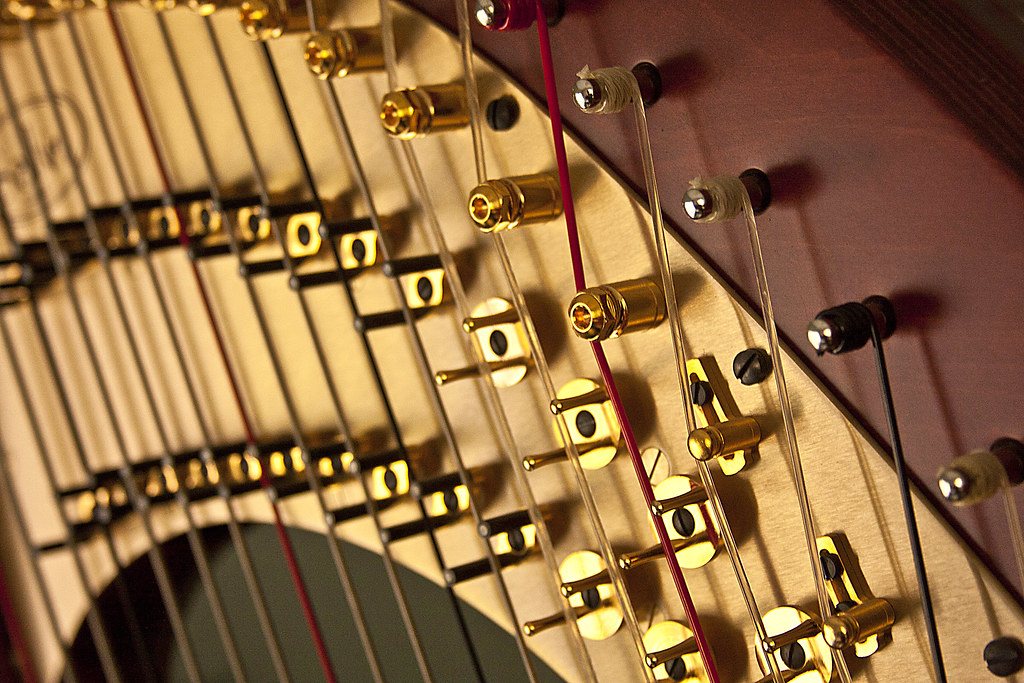
Listen to the sound: change strings as soon as the tone becomes dull or tuning stability degrades. Also check bridge tension to avoid intonation problems.
“Advice updated on September 14, 2022 by Emilie: minimal care clearly extends the life of a string set.”
- Cleaning after use = less oxidation.
- Coating = less cleaning, same comfort.
- Even nylon strings on a classical guitar need minimal maintenance.
To know when to change your strings and adapt the schedule to the material, whether phosphor bronze, steel, or nickel, follow these simple routines. They will extend your string life and make every session more enjoyable.
Conclusion
Choosing the right set turns every practice session into a real pleasure.
Choosing suitable gauges improves the comfort and tone of a folk guitar. Beginners benefit from softer gauges, while advanced players can test higher tensions.
Take time to maintain your strings, whether they are steel, nylon, or coated. Good care extends clarity of tone and makes everyday playing easier.
To refine your choice, see our dedicated guide to choosing guitar strings. Changing strings regularly remains the best habit for keeping both a classical guitar and a folk guitar ready to play.
Leave a Reply