Acoustic folk notebook
Wood, strings, ear.Mountain Men brings together the practical markers that help you choose a folk guitar without getting lost in catalogue promises.
Browse Folk Music


Choosing markers
A folk guitar is understood first through the hand.
Neck
Width, action and tension show whether the instrument supports the gesture or tires the player before the first song is even finished.
Body
Dreadnought, auditorium and parlor shapes do not serve the same volume, voice or playing comfort.
Use
Starting out, recording a demo, playing standing up or travelling all call for very different compromises.
Method
Choose with your ear before comparing the options.
A folk guitar often attracts attention through a wood, a color or a promise of projection. Yet the choice becomes more reliable when the musician returns to simple sensations: the clarity of an open chord, tuning stability, the way the bass supports a voice and the real fatigue felt after several minutes of playing.
Mountain Men approaches the instrument like a living workshop. The guides connect body shapes, string gauges, setups and accessories to real playing situations. A folk guitar designed to accompany singing at home does not answer to the same criteria as a guitar intended for the stage, travel or a quick recording session.
The site therefore helps ask useful questions before buying or maintaining an instrument. Does the neck suit the left hand? Does the chosen gauge stay flexible enough? Does the guitar remain clear when the playing becomes more rhythmic? Does a pickup or an electro-acoustic model truly add something to the intended musical context?
This approach is deliberately calm. The point is not to sanctify a brand or promise a definitive ranking. The aim is to help readers recognize what sounds right for them, understand the compromises and keep the pleasure of playing again the next day.
Latest guides
Recent markers for listening to your folk guitar more closely.
Find the latest guides on strings, body shapes and maintenance habits that genuinely change playing comfort.
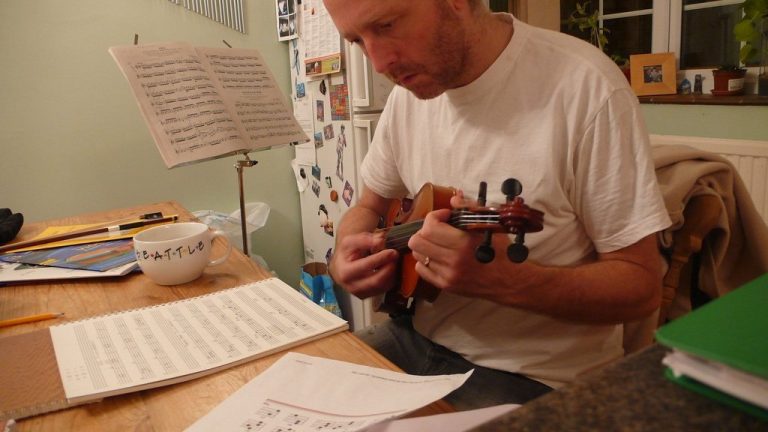
Folk Guitar Strap: How to Choose and Install It
Follow this guide to choose and install your folk guitar strap with confidence, from comfort and materials to secure attachment methods.
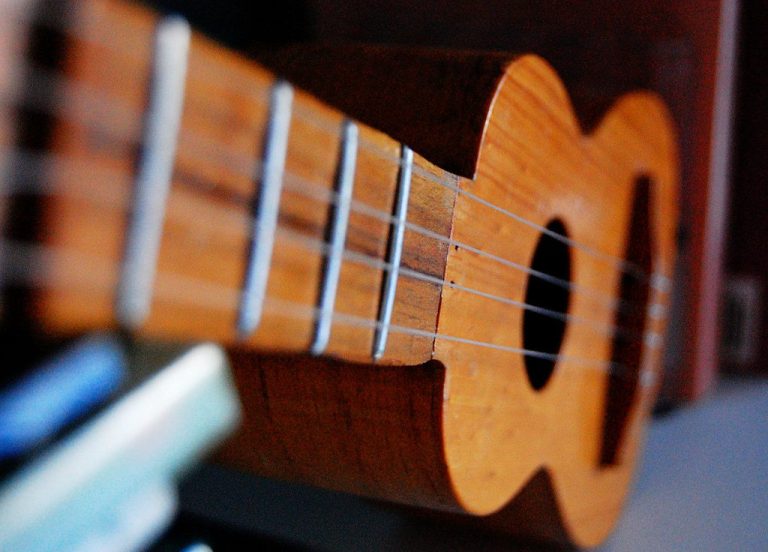
Folk Guitar Capo: How to Use It Properly
Learn how to use a folk guitar capo properly and get the most from its musical benefits.

Tuning a Folk Guitar: A Simple Method for Beginners
Learn how to tune a folk guitar with a simple beginner method and build confidence with every practice session.
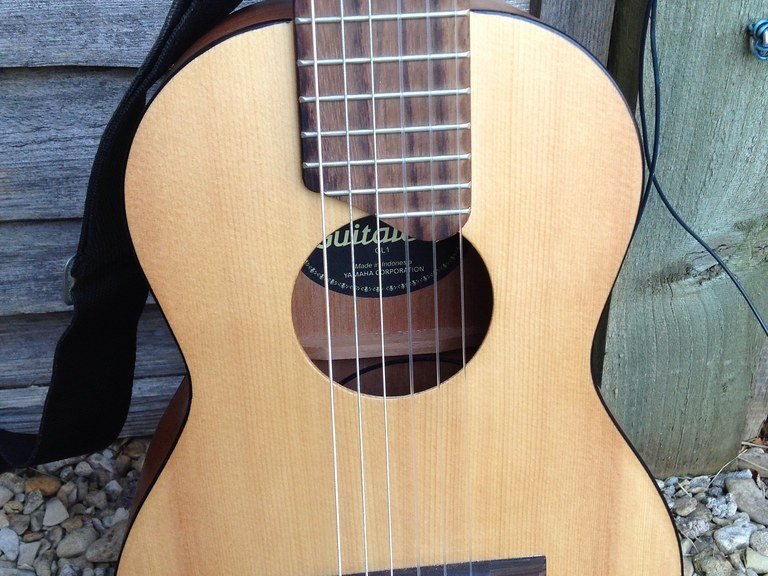
Can You Put Nylon Strings on a Folk Guitar?
Learn whether you can put nylon strings on a folk guitar and what it means for tone, comfort, setup, and playability.
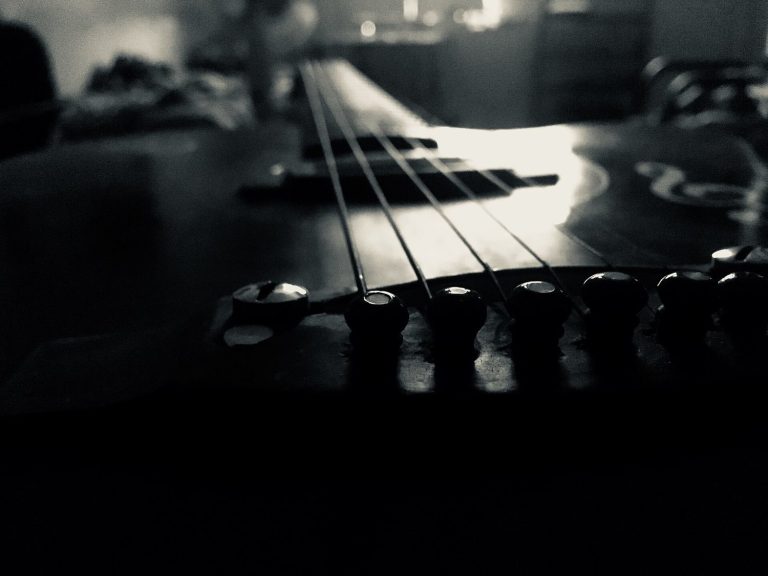
Which String Gauge Should You Choose for a Folk Guitar?
Which string gauge should you choose for a folk guitar? Discover the best options for optimal sound on your instrument.
Practice notebook
From the first chord to the setup that changes everything.
An acoustic guitarist’s path rarely moves in a straight line. Sometimes it starts with a guitar that is too stiff, poorly matched strings or a body shape chosen for its appearance. Then the ear learns to recognize a body that breathes, a neck that feels reassuring and a setup that frees the hand.
Mountain Men supports that path with clear advice. Articles on strings explain differences in tension, material and lifespan. Buying guides put comfort before big commercial promises. Maintenance content reminds readers that a modest but well-set-up instrument can offer more music than an impressive spec sheet that has been poorly understood.
The Folk Music section is the main entry point. It brings together practical topics, body-shape comparisons and markers for listening to a guitar more carefully. Readers can move forward from an immediate need, return before a purchase or check a detail before changing a set of strings.
Before choosing a model, readers also benefit from placing the guitar back into its real use. A folk guitar intended for fireside playing, strummed songs or light fingerpicking does not always need the same projection, neck width or bass response. The markers offered here invite readers to listen to the overall balance, check left-hand fatigue and compare sensations across several simple pieces. This approach avoids purchases driven only by the brand, finish or a seductive spec sheet.
Ultimately, a good folk guitar is recognizable when the technique fades slightly into the background. The tuning holds, the wood responds, the hand does not tense up and the song finds its place. That simple feeling is what the site aims to make more accessible.