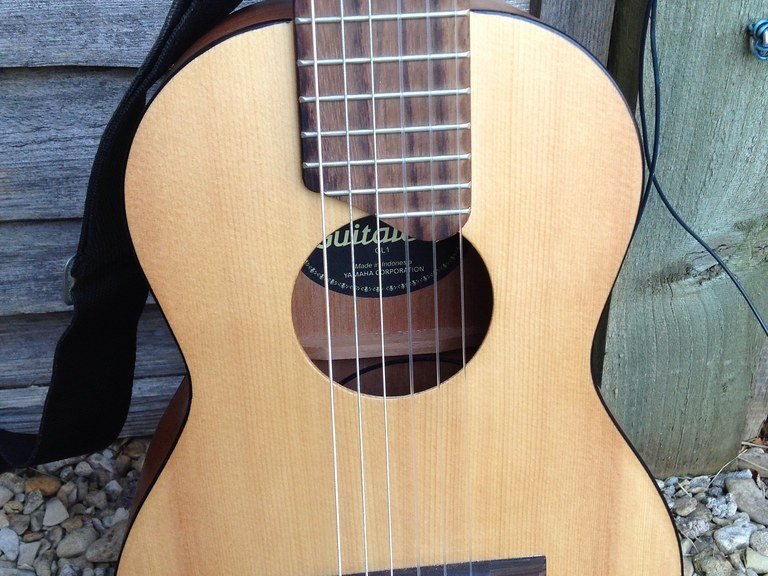
Many musicians ask the same question: can a guitar designed for steel strings be adapted to get a softer feel?
The brand D’Addario now offers string sets made specifically for this kind of conversion. These nylon strings provide lower tension and a more comfortable playing feel.
Still, caution is essential. Nylon does not react like steel on the soundboard. Adjustments to the bridge and truss rod may be needed to protect the instrument.
This practical guide explains how to install these strings and which adjustments help preserve a warm, balanced tone.
For more detail on the benefits and precautions, a target-language equivalent must be selected before publication.
Can you put nylon strings on a folk guitar?
To reduce finger fatigue, some players consider replacing steel strings with nylon. The most obvious difference is tension: steel strings pull much harder on the neck than synthetic strings.
You can put nylon strings on a folk guitar if your goal is a softer feel. In practice, the lower tension makes playing more comfortable, especially for beginners.
Be careful, however: this change alters the instrument’s response and projection. Classical guitars naturally work with lower tension; a folk guitar is still built for steel, which explains the difference in sound.
- Comfort: less effort for barre chords.
- Compatibility: possible, but it depends on the top and bridge.
- Sound: warmer tone and a different dynamic response.
For player feedback and technical discussions, a target-language forum equivalent must be selected before publication.
The essential technical adjustments for your instrument
Before working on the neck, inspect the nut and bridge carefully.
The role of the nut and bridge
The nut sits at the end of the neck. It holds the strings in place and guides their vibration.
The bridge supports the strings at the other end and transfers vibration to the soundboard. Both parts often need adjustment for a good result.
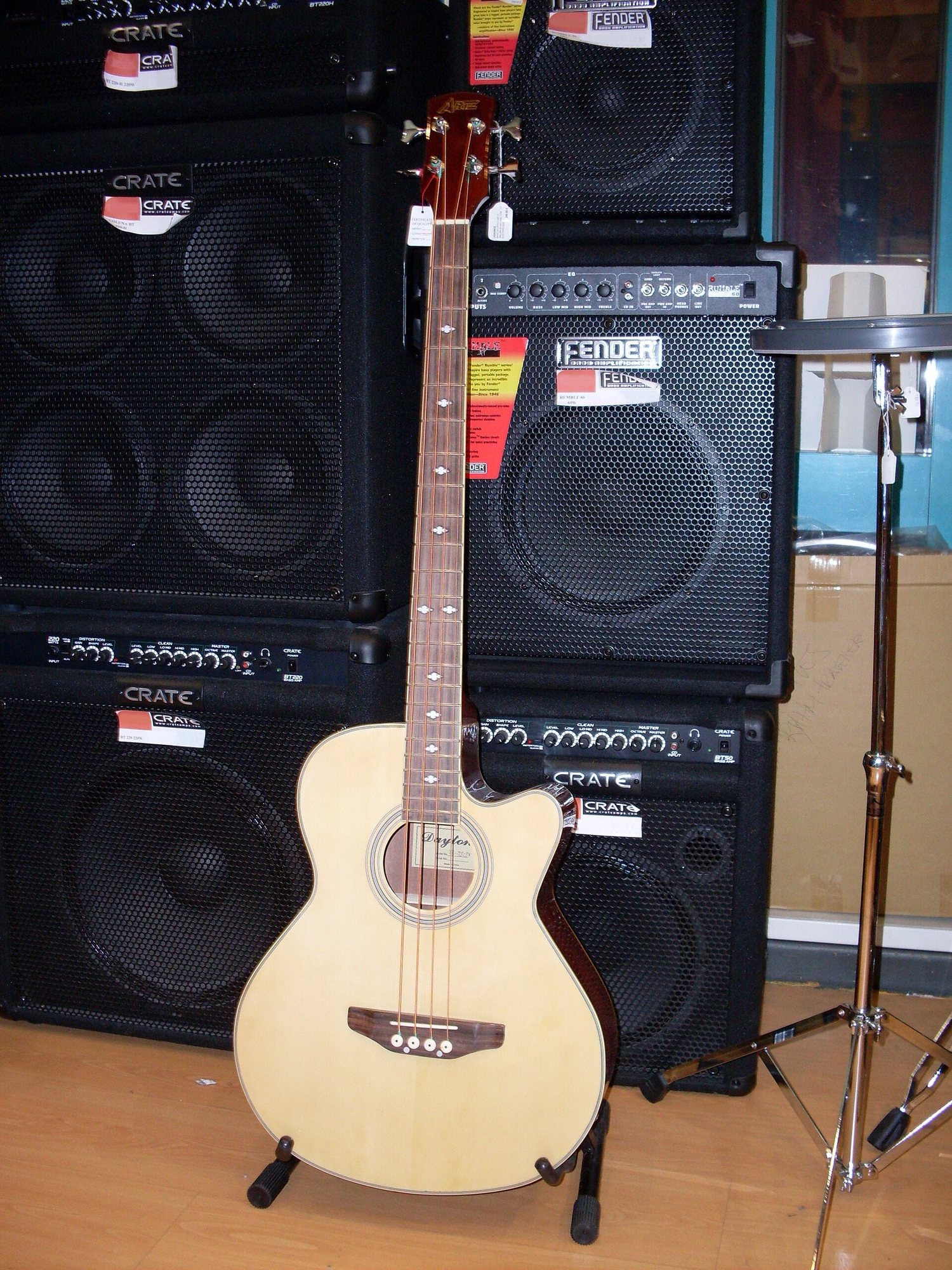
Adjusting the action and string height
After installation, adjusting the action is essential. Lower tension changes the string height and can cause fret buzz.
A visit to a luthier, or a precise bridge adjustment, can compensate for this difference in tension.
Checking neck width
Neck width affects the spacing between strings. Folk guitars are often narrower than classical guitars.
One musician using a 3/4 guitar found a good compromise by adapting the spacing and slightly widening the nut.
“Widening the nut prevents unwanted rubbing and lets the strings vibrate freely.”
- Nut: may need widening to prevent rubbing.
- Bridge: adjust the position and holes according to string diameter.
- Action: set the height to compensate for lower tension.
- Neck: check spacing to avoid buzz and improve playability.
For step-by-step setup instructions, a target-language equivalent must be selected before publication.
Pros and cons of switching to nylon
Moving to a softer material changes the balance between comfort and sonic presence.
Pros: the feel becomes more comfortable for the fingers. Experienced musicians report being able to play longer without fatigue. When the instrument is sometimes tuned down to C, four semitones below standard tuning, the range gains warmth and depth.
Cons: projection decreases and the typical brightness of folk guitars becomes softer. The bridge and the nut at the end of the neck often need adaptation to keep the instrument stable.
Impact on sound and projection
The sound becomes softer and rounder, which works well for intimate settings. On the other hand, the power needed to fill a whole room is reduced.
| Aspect | With steel | With synthetic strings |
|---|---|---|
| Tension | Higher | Lower |
| Projection | Strong and bright | Less powerful, warmer |
| Finger comfort | Less comfortable | More comfortable |
| Required setup work | Often none | Nut/bridge adjusted |
For a complete guide to the benefits and precautions, a target-language equivalent must be selected before publication.
Conclusion on switching to nylon strings
Conclusion on switching to nylon strings
Switching to nylon requires a few technical checks, but it can bring real warmth to the sound. The main benefit remains finger comfort during long playing sessions.
Plan for nut and bridge adjustments if needed. Check your instrument’s compatibility before making the change permanent.
If you want to explore different tensions or models, use target-language comparisons for flamenco or folk guitar strings before publication.
In short: the decision depends on your playing preferences and the sound you want. A small technical adjustment is often enough to make the instrument more versatile and softer to play.
Leave a Reply