
Your first instrument can shape your entire learning journey. On October 16, 2025, many musicians began with an acoustic guitar because it offered a direct, practical way to make progress.
Pressing down on steel strings often causes some initial finger soreness. It takes persistence, but the right setup makes the road much smoother.
This guide helps you find the right guitar among dozens of models. It covers tone, neck comfort, tuning stability, and value for money.
Trusted brands such as Yamaha, Fender, and Taylor offer models suited to a beginner’s first steps. By weighing budget, size, and wood quality, you can avoid the traps of poorly made entry-level instruments.
In short: choosing a good instrument from the start supports muscle memory, speeds up playing progress, and protects the future guitarist’s motivation.
Why Choose a Folk Guitar as a Beginner
For a first instrument, the folk guitar appeals because of its projection and versatility. Metal strings produce a brighter tone and stronger presence than classical models.
This option is often more affordable than electric instruments. For a limited budget, many brands offer entry-level ranges with solid build quality.
“The versatility of a folk guitar lets a guitarist play folk, rock, and many other styles without changing instruments.”
For beginners, choosing a quality folk guitar makes learning complex chords easier and helps progress come faster.
- Stylistic versatility for contemporary and traditional music.
- Stronger sound projection thanks to metal strings.
- A wide range of prices and models suited to every level.
- Wood and body-shape variations that influence the final tone.
| Strength | Impact for the beginner | Tip |
|---|---|---|
| Projection | Easier to hear in a group | Favor a spruce or mahogany top |
| Price | Accessible with good value for money | Compare entry-level ranges from Yamaha and Fender |
| Versatility | Allows several styles without extra equipment | Choose a body size suited to your build |
Best Beginner Folk Guitar: Key Criteria to Know
Playing comfort planned from the moment of purchase speeds up learning and protects your fingers.
Playing Comfort and Action
The action should stay low enough to reduce fatigue on steel strings during long practice sessions. A neck adjusted with a truss rod stabilizes the relief and makes setup changes easier.
A neck width between 43 and 45 mm offers a comfortable grip for most beginners. Reliable tuners prevent frequent detuning and make daily practice smoother.

Build Quality
The spruce top affects both tone and durability. Good construction can provide a high level of comfort even at a modest price.
“Taking the time to set the action properly is an investment in comfort and progress.”
- C-shaped neck profile for smoother learning.
- Simple adjustments to reduce playing effort.
- Quality woods for tone that stays stable over time.
| Criterion | Impact | Tip |
|---|---|---|
| Action | Less finger fatigue | Prefer low, adjustable action |
| Neck | Ergonomics and learning speed | C profile, 43-45 mm width |
| Top | Projection and tone | Spruce for clarity and versatility |
Understanding the Different Body Shapes
The body shape deeply changes frequency response and playing comfort. The choice of body affects projection, tone, and how easy the guitar is to hold.
The Dreadnought Shape
Created by Frank Henry Martin in 1916 for Oliver Ditson, the Dreadnought delivers powerful projection. It suits rhythm players looking for a rich sound and plenty of volume.
Concert and Auditorium Models
More compact Concert and Auditorium guitars prioritize balance. Eric Clapton helped revive their popularity during MTV Unplugged in 1992. Ideal for switching between chords and fingerpicking.
What Makes Jumbo Guitars Different
Jumbo guitars have a larger body. They produce deep bass and a strong presence. This format can be less comfortable for smaller players.
Tip: choosing a shape that suits your body improves playing comfort and progress.
To compare models and sizes, see this selection and try several formats in store.
Why Wood Choice and the Soundboard Matter
The soundboard largely determines an instrument’s tonal personality. For a musician, this choice affects clarity, projection, and playing feel.
Spruce remains the benchmark for the top: it offers clear resonance and strong dynamic range. It is perfectly suited to folk guitars and players looking for a bright sound.
Cedar brings warmth and quick response. It supports a softer touch and a more intimate sound, useful for quieter interpretations.

- Solid tops: richness and depth.
- Laminated tops: accessible pricing and durability.
- Bunya: rare balance and strong resistance.
| Wood | Characteristic | Tip |
|---|---|---|
| Solid spruce | Clarity, projection | Ideal for versatility and power |
| Cedar | Warmth, soft response | Perfect for delicate playing and fingerstyle |
| Laminated tops | Controlled cost, durable | A good choice for the starting level |
To refine your choice before buying, read this practical guide.
Acoustic or Electro-Acoustic: Which Use Should You Prioritize?
Adding a built-in pickup turns a traditional instrument into a stage-ready tool. The choice depends mainly on how you plan to use it: rehearsals, concerts, or home recording.
The Advantages of Amplification
Electro-acoustic models include a pickup that lets you plug the instrument directly into an amplifier or audio interface. This is useful for playing with other musicians or performing in a cafe.
Volume control makes rehearsals easier. The musician can adjust their level without relying only on the natural projection of the top and wood.

- Versatility: switch quickly from natural acoustic playing to amplified sound.
- Live performance: an electro-acoustic guitar provides better projection in a venue.
- Preamp quality: choosing a reliable system avoids unwanted noise and improves the result.
- Economy: investing from the start can prevent the need to buy an external pickup later.
Tip: if you plan to play on stage, favor a model with a well-made preamp and a reliable jack output.
To learn more about systems and recommended models, read this guide to electro-acoustic guitars.
A Selection of the Best Guitars for Getting Started
This list highlights proven models that support comfort and progress.
The Epiphone DR-100 Songmaker, at around EUR150, offers a SlimTaper neck appreciated by beginners and surprising projection for the price.
Yamaha F310 remains a safe bet: robust construction and a C-shaped neck for steady comfort during long practice sessions.
Fender CD60 S stands out with its solid premium spruce top and “Easy to play” neck, ideal for building confidence quickly.
Cort Luce L100 offers a comfortable Concert format, perfect for fingerstyle thanks to its solid spruce top.
Lag T70A uses solid Engelmann spruce in an Auditorium format. The result is a dynamic, balanced tone.
This guide compares reviews, prices, and value for money across several models to help you choose a guitar suited to your budget and level.
| Model | Strength | Audience |
|---|---|---|
| Epiphone DR-100 | Attractive price, SlimTaper neck | First guitar |
| Yamaha F310 | Reliability, C-shaped neck | Learners |
| Fender CD60 S | Solid spruce top, rich sound | Fast progress |
Essential Accessories to Support Your Instrument
Investing in a few simple tools avoids many frustrations during the first weeks.
A tuner is essential for staying in tune and training your ear. A clip-on model or an app allows quick tuning before every session.
A strap and picks improve comfort. The strap supports a stable posture while standing. Picks in several thicknesses open up different sound possibilities.
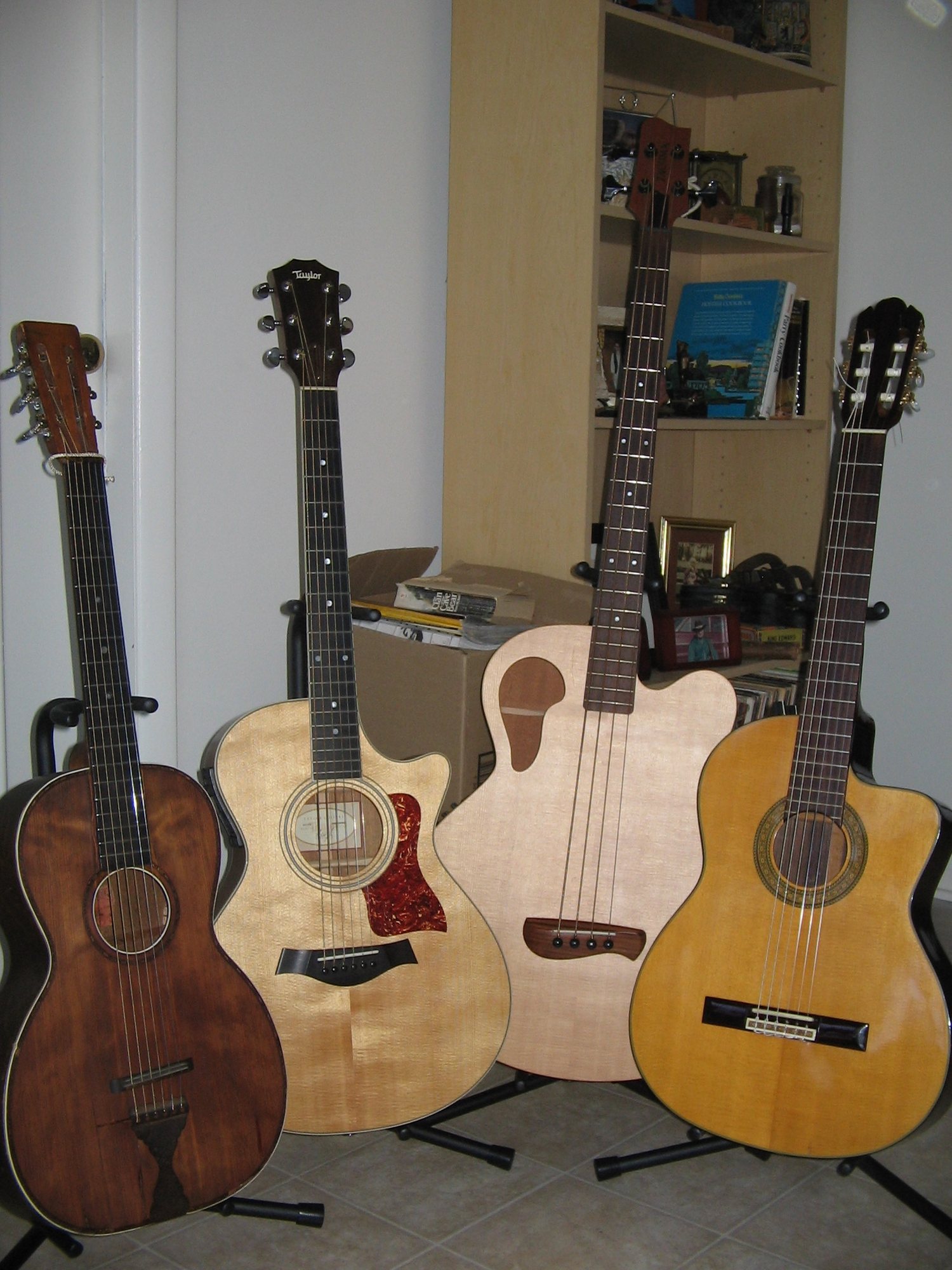
Add a spare set of strings and a few neck-adjustment tools. A screwdriver, an Allen key, and a cloth help preserve the instrument’s quality.
- A case or gig bag fitted to the size for protection during travel.
- A capo and footstool to vary positions and tone.
- An accurate tuner for practice sessions and rehearsals.
| Accessory | Benefit | Buying Tip |
|---|---|---|
| Tuner | Tuning accuracy, ear training | Clip-on or pedal depending on use |
| Strap | Standing comfort | Adjustable leather or nylon |
| Picks & strings | Attack variation and maintenance | Choose several thicknesses and a spare set |
For a complete list of recommended accessories, see guitar accessories.
Conclusion
In the end, the best choice depends on playing comfort, wood quality, and the body shape that suits you. These elements influence handling and progress. Consider your budget and try several models before buying.
This guide summarizes the key points to help steer your decision. Expert reviews and tests of models such as the Epiphone DR-100 or Yamaha F310 provide a reliable starting point.
Look for good value for money and favor a durable instrument that makes you want to practice. For detailed support, read this buying guide and compare prices before deciding.
Leave a Reply