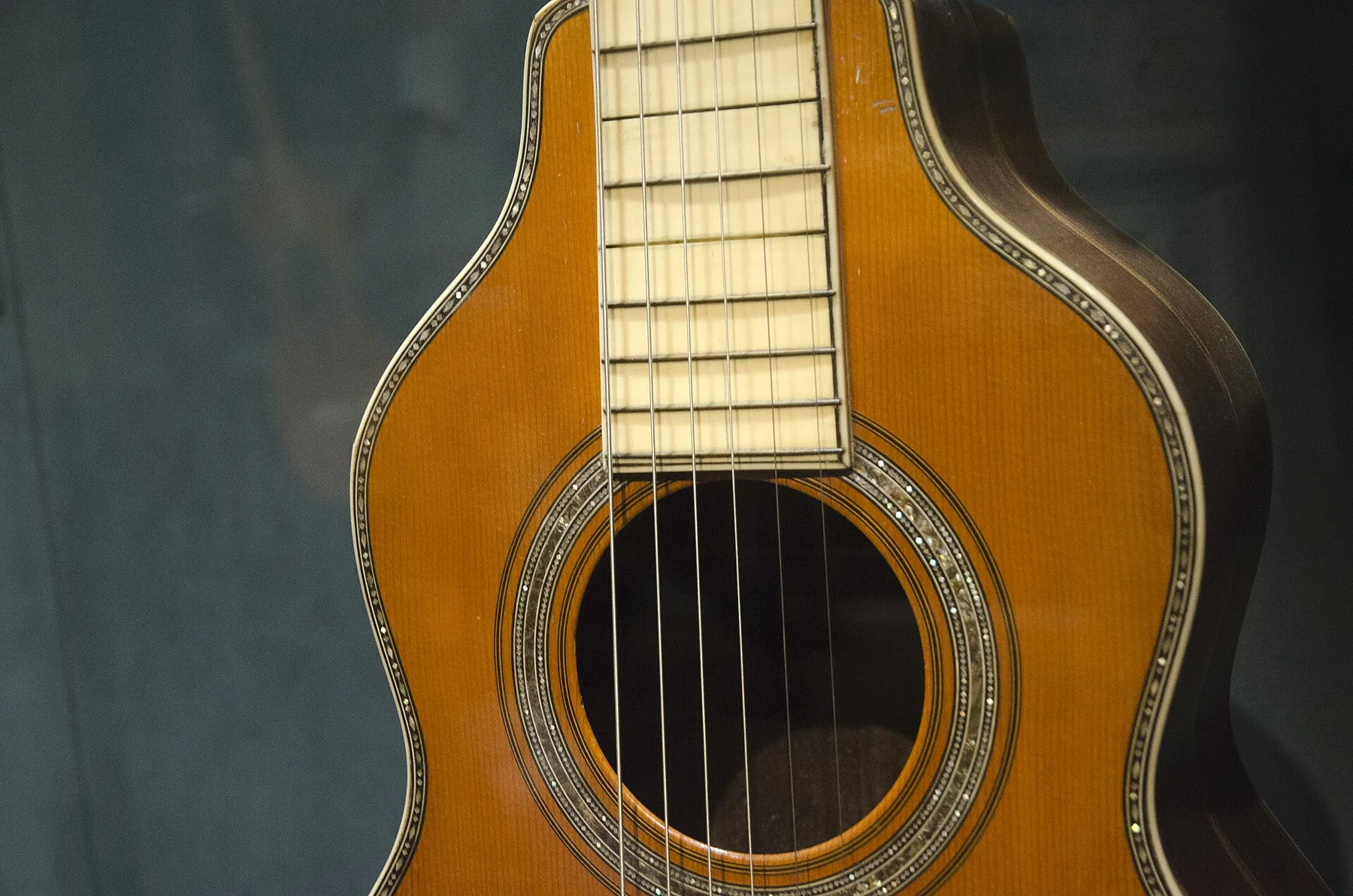
27% of French people choose the guitar as their favorite instrument. This short guide helps you identify the right choices among Fender folk guitars. It presents the ranges, body shapes, and neck profiles.
We describe each model, from the maple neck to the well-finished frets. You will know which instruments suit beginners or experienced guitarists. The text compares wood quality, typical sounds, and price.
Why read this article? It condenses the brand’s history, its innovations, and playing options. You will save time in making a good choice and finding a guitar that respects your musical style.
In the following sections, we will analyze the full range, possible styles, and the key criteria for buying. This first overview lays the groundwork for an informed choice.
Fender’s Heritage in the World of Acoustic Guitars
The story begins in a repair workshop. In the mid-1940s, Leo Fender turned his know-how into a brand that would change music.
The technical innovations introduced at the time helped transform the global market for stringed instruments. The choice of neck, the body shape, and the instrument’s design all influence the sound.
Brand History
The company’s founding by Leo Fender launched a series of influential models. The firm’s first acoustic guitars paved the way for lasting development for musicians.
Technical Innovation
Technical solutions improved playing comfort and sound projection. These innovations brought guitarists closer to new accompaniment possibilities and styles.
“Technical creativity turns an instrument into a voice.”
- Origin: personal workshop, 1940s.
- Impact: standardization of shapes and necks.
- Use: adoption by musicians of all levels.
| Element | Influence | Result for the Musician |
|---|---|---|
| Neck | Comfort and precision | Better playability |
| Body | Projection and tone | Richer sound |
| Construction | Reliability on the market | Instrument durability |
Fender Folk Guitar: Key Models and Uses to Know
Several silhouettes define the identity of Fender instruments. The Dreadnought delivers power, while the Parlor favors a more intimate playing style. The Paramount and Monterey series illustrate the brand’s acoustic evolution.
Versatility: guitarists appreciate these guitars for playing folk accompaniments or acoustic rock pieces. Each model combines a neck designed for comfort with a body suited to the style.
- Dreadnought: strong projection, ideal for rhythmic accompaniment.
- Parlor: precise response, perfect for fingerstyle playing.
- Redondo / Malibu: tonal balance for stage and studio.
For a more in-depth overview, see the top 5 Fender folk guitar models listed by specialists.
| Model | Recommended Use | Strength |
|---|---|---|
| Dreadnought | Concert, accompaniment | Projection and bass |
| Parlor | Intimate recording | Clarity and comfort |
| Paramount | Versatile use | Build quality |
Essential Criteria for Choosing Your Instrument
Several simple factors determine whether a guitar suits your style and level.
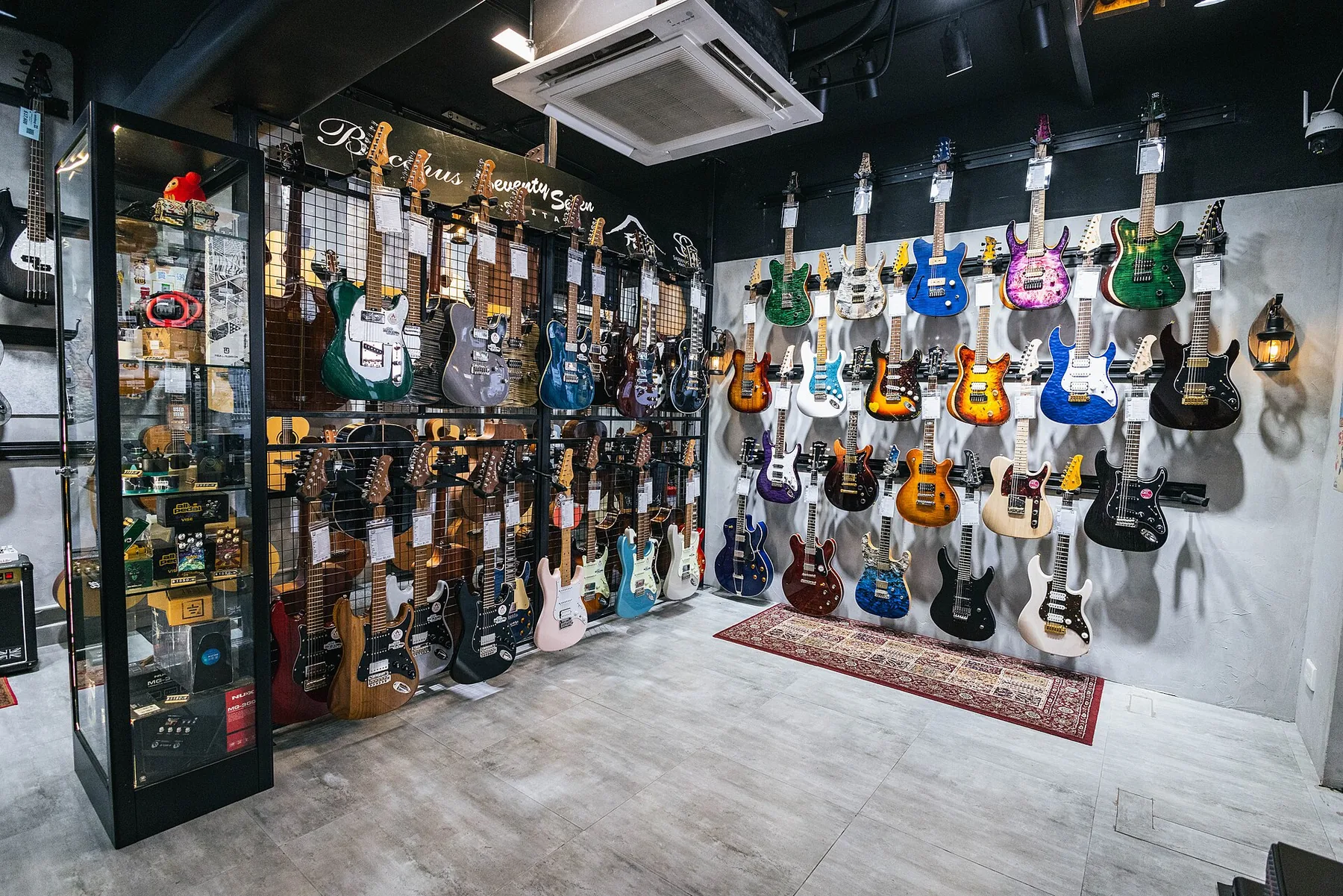
Sound Quality
The sound depends mainly on the choice of woods and the soundboard construction. A solid-wood top offers greater richness and projection.
The type of strings and their tension also influence tone. For good value for money, compare entry-level models (€150-350) and high-end series (over €1,000).
Ease of Playing
Comfort matters: an ergonomic neck helps beginners place their first chords. The body shape and string height determine how easy the guitar is to play.
Experienced guitarists prioritize excellent playability and careful finishing. Try several instruments to feel the comfort and response under your fingers.
| Criterion | Impact | Advice |
|---|---|---|
| Wood | Sound and projection | Solid top if possible |
| Neck | Playing comfort | Prioritize ergonomics for beginners |
| Strings & setup | Ease and tone | Check height and tension |
| Price | Value for money | Compare the range and finish |
A Closer Look at Woods and Ergonomic Design
The construction and body shape determine projection and ease of playing.
The choice of woods affects the body’s resonance and comfort while playing. Manufacturers often use maple for the neck and rosewood for the fingerboard. These combinations provide a clear string response and solid tuning stability.
Well-finished frets improve precision. They reduce snags under the fingers and help guitarists play more accurately. The body shape also affects playing comfort during long sessions.
Careful assembly: each instrument is built to ensure durability and sound quality. The final setup optimizes string height and playability.
| Wood | Effect | Advice |
|---|---|---|
| Maple (neck) | Clarity and stability | Choose a well-finished neck |
| Rosewood (fingerboard) | Warmth and pleasant feel | Choose a well-finished fingerboard |
| Spruce (top) | High projection | Solid top if possible |
| Walnut (body) | Tonal balance | Good comfort/sound compromise |
To go deeper into the subject of wood and neck design, see this guide to woods and neck design. It complements this article well.
Beginner Model Analysis
A good first instrument makes progress easier: focus on an accessible classic.
The CD-60S Model
The CD-60S stands out as an ideal option for beginners. Its price ranges from 150 to 350 euros, making it affordable for a first purchase.
The maple neck paired with a rosewood fingerboard offers a good balance between rigidity and comfort. The frets are well finished, which makes playing easier and reduces snags when forming first chords.
The sturdy body provides stable handling and good projection. This guitar remains comfortable during long sessions, encouraging daily practice.
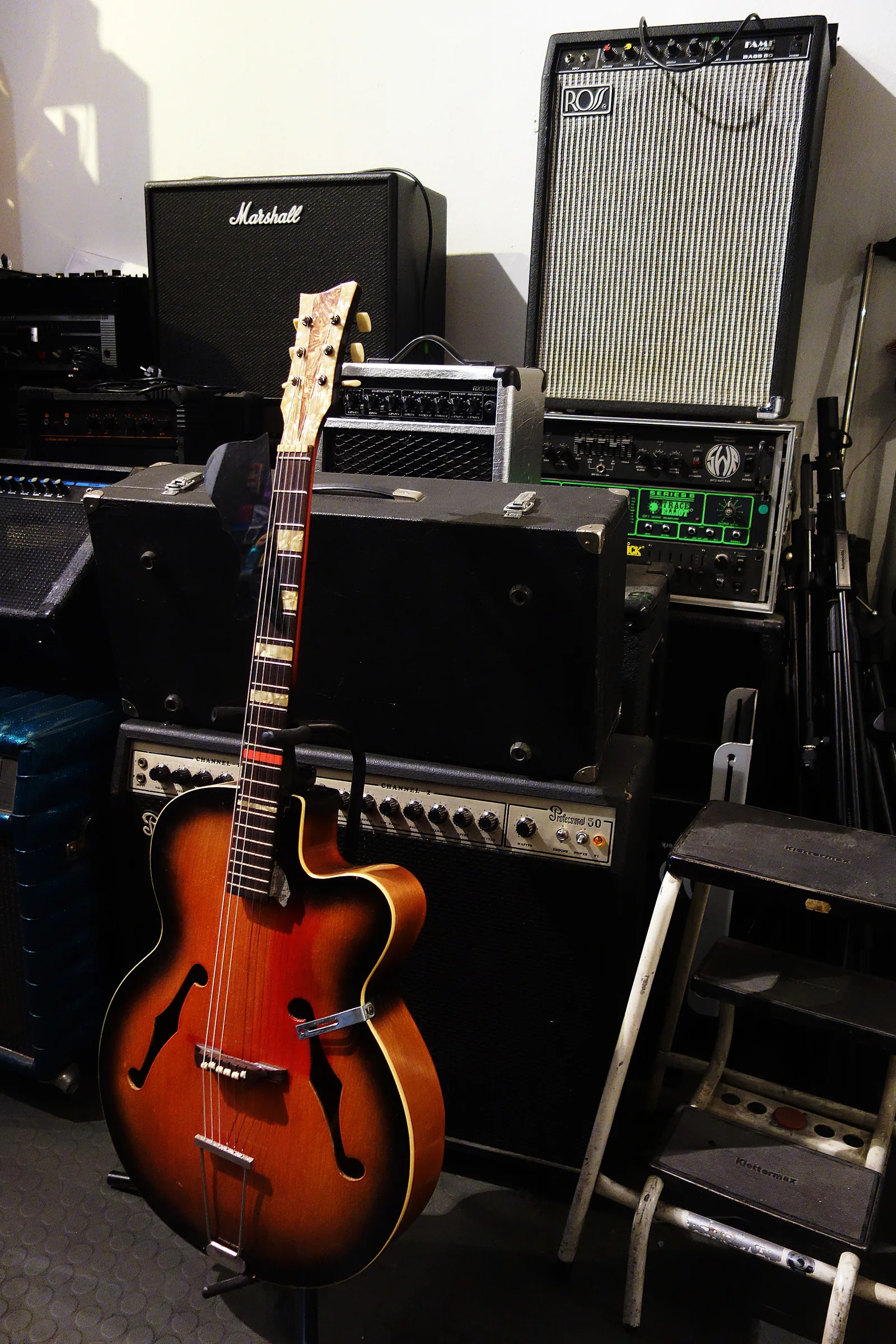
Beginner guitarists appreciate the CD-60S’s playability and reliability. It is a safe option for learning the basics without spending too much.
| Criterion | Advantage | Note |
|---|---|---|
| Neck | Maple: stability | Comfort for beginners |
| Fingerboard | Rosewood: warm feel | Good tactile feel |
| Frets | Well finished | Better precision |
High-End Guitars for Experienced Musicians
High-end instruments are aimed at musicians who demand precision and versatility on stage or in the studio.
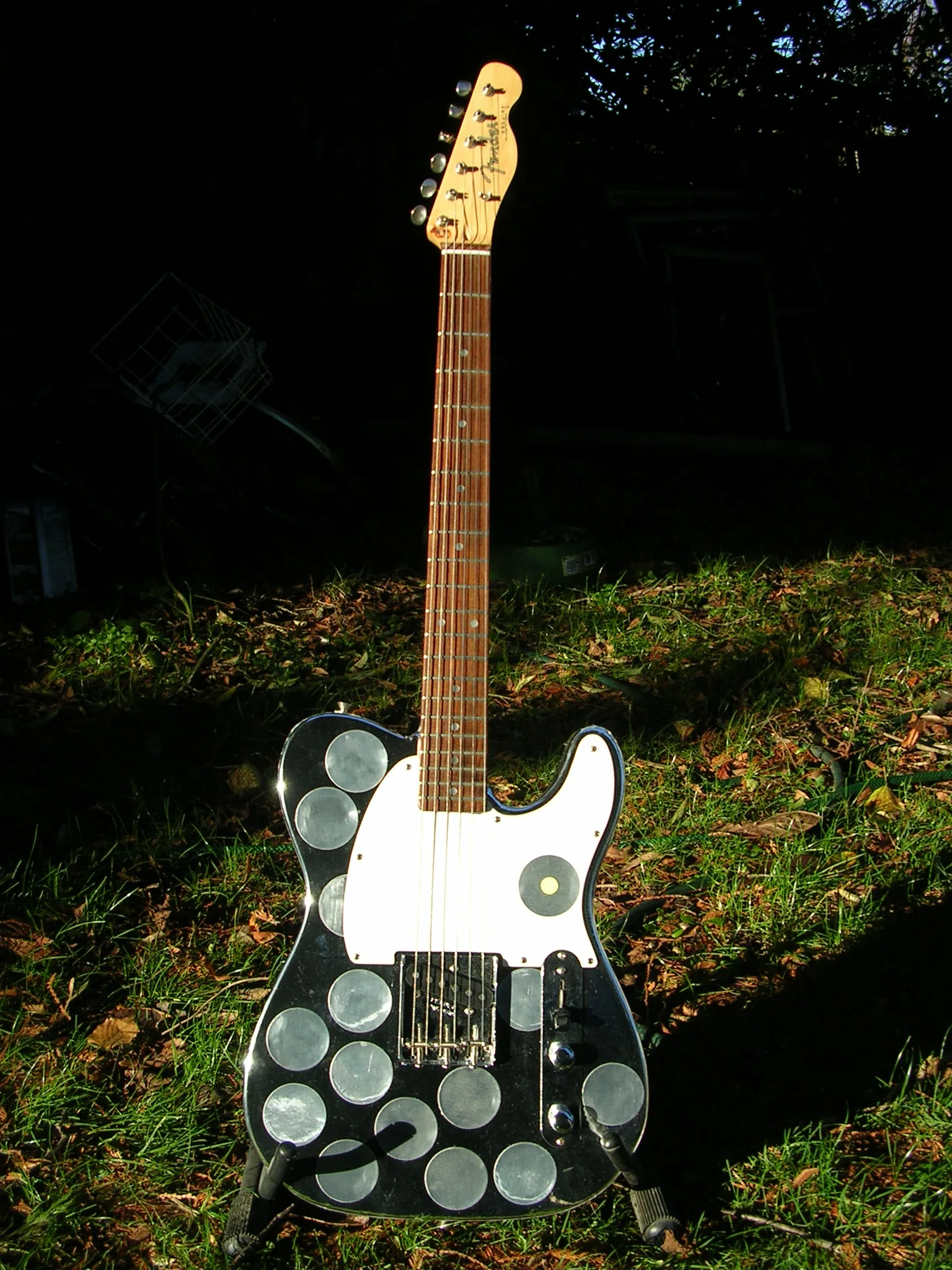
Paramount PM-1
The Paramount PM-1 offers a rich sound for a price between 350 and 1,000 euros.
This model focuses on top quality and a stable maple neck. The frets and careful finish ensure good tuning stability.
Acoustasonic Telecaster
The Acoustasonic Telecaster version incorporates an advanced pickup and preamp system. This makes the instrument extremely versatile for studio and concert use.
Guitarists appreciate its ability to blend acoustic sounds with textures close to an electric guitar.
American Acoustasonic Stratocaster
The American Acoustasonic Stratocaster exceeds 1,000 euros and targets professionals.
This guitar combines selected woods, such as rosewood, with high-performance electronics. It stands out for its innovation and precision.
“High-end models offer exceptional sound for experienced musicians.”
- Versatility: built-in pickup for many styles.
- Quality: noble woods and careful construction.
- Performance: tuning stability and management of complex effects.
| Model | Strength | Indicative Price |
|---|---|---|
| Paramount PM-1 | Rich sound, stable neck | €350-1,000 |
| Acoustasonic Telecaster | Versatile electronics | ~€1,000 |
| American Acoustasonic Stratocaster | High-end, innovation | >€1,000 |
Technological Innovations and Preamp Systems
Onboard technology now makes it possible to shape an acoustic sound with the precision of an electric guitar.
Preamps and internal pickups have advanced guitars equipped with modern systems. These elements capture the vibrations of the strings and the top in order to reproduce the instrument’s sound faithfully.
Guitarists now benefit from a wide range of built-in effects and precise control over the amplified signal. You can adjust the tone, boost the bass, or refine the treble directly on the instrument.
This innovation makes it easier to move from a natural acoustic sound to a setup close to an electric guitar on stage. The result improves playing in concerts and recordings.

| Element | Advantage | Use |
|---|---|---|
| Preamp | Tonal control | Concert / studio |
| Internal pickup | Fidelity | String capture |
| Electronics | Built-in effects | Sound shaping |
“The history of innovation has transformed the way we amplify our instruments.”
Price Guide and Value for Money
Comparing prices helps identify good deals for every musician profile. This concise guide shows how to place a guitar within its range and assess its value for money.
Entry Level
Entry-level series often offer the best compromise for getting started. Entry-level guitars remain accessible, generally between €150 and €350.
Wood quality: even on these instruments, manufacturers choose selected woods to ensure an honest sound. The finishes are simple but reliable.
Long-term value: a good folk guitar in this price range retains its quality if it is well maintained. Beginner guitarists find a reliable and durable instrument there.
- Price: transparent and suitable for beginners.
- Value for money: decisive for a first purchase.
- Advice: try several guitars before buying.
Those looking for more performance can aim for the mid-range. It often offers better woods, more precise electronics, and greater playing comfort.
Care and Maintenance Tips for Your Guitar
Simple maintenance extends the life of your instrument and improves playing comfort.
Regular cleaning: wipe the neck and body after each session. This prevents the buildup of sweat and dust, which can affect the finish and the condition of the frets.
Change the strings regularly, depending on how often you play. Intensive playing requires more frequent replacements to preserve accuracy and sound.
Preventive adjustments: check the action and neck regularly. Precise string setup limits tuning and intonation issues and optimizes playing comfort.
- Use suitable products to protect the wood against humidity and temperature changes.
- Monitor fret wear and clean the fingerboard with a dry cloth or specific cleaners.
- For each model, follow the manufacturer’s maintenance recommendations.
Following these maintenance tips ensures that your guitar remains a reliable instrument for your future compositions.
For more detailed technical information on wood and assembly, see this guide to woods and maintenance.
Conclusion: Which Fender Folk Guitar Should You Choose for Your Profile?
To choose well, align your sound expectations, your budget, and the shape that suits you. Start by defining whether you want a simple instrument for learning or an option with a pickup for the stage.
Beginners will find affordable series that are easy to play. Experienced musicians will prioritize top quality and built-in electronics.
This guide helps you compare the range, value for money, and the brand’s history. Take the time to try each instrument in a store. For a comparison by profile, see this dedicated guide: Fender comparison by profile.
Leave a Reply