
The market has changed. Brands such as Gibson, Martin, Yamaha and Takamine now offer models designed for left-handed guitarists. This makes it easier for many musicians to access an instrument suited to them.
Choosing a good acoustic guitar is still essential for making progress. Build quality influences resonance, tuning stability and playing comfort.
The variety of models now means you no longer have to reverse the strings or modify a right-handed instrument. Well-known brands offer spruce tops, mahogany backs and electro-acoustic models available in left-handed versions.
Practical tip: try several sizes and finishes in store, then compare how they feel. To learn more about the options available, see this dedicated page: left-handed references.
Understanding the needs of a left-handed guitarist
Knowing which hand is dominant helps guide your choice from the very first trial. Testing your laterality by borrowing an instrument from a friend or trying one in a store remains the simplest method.
Why it matters:
- The dominant hand often controls attack, rhythm and precision, while the other hand must remain comfortable on the neck.
- For beginners, a suitable body helps avoid tension and encourages faster progress.
- Reversing the strings may seem tempting, but a dedicated model provides better intonation and more coherent ergonomics.
Determining your laterality
Try several models on site. If your left hand naturally strikes the strings while your right hand sits on the neck, choose an instrument designed for left-handed players. Testing reduces buying mistakes.
How the market has evolved
The market now offers models designed for different sizes and body shapes. Manufacturers today provide quality folk guitars suited to musicians’ body types and playing styles.
To compare the available options and find suitable references, see this selection: comparison of left-handed guitars.
Left-handed folk guitar: which technical features should you check?
Construction details influence projection, tuning stability and ease of handling.
Top and woods: a spruce top encourages good projection. Solid woods deliver more richness than laminate, especially in the mid-range.
Neck and tuners: check the quality of the neck and the precision of the tuners. This ensures stable tuning and smooth playing along the full length of the neck.
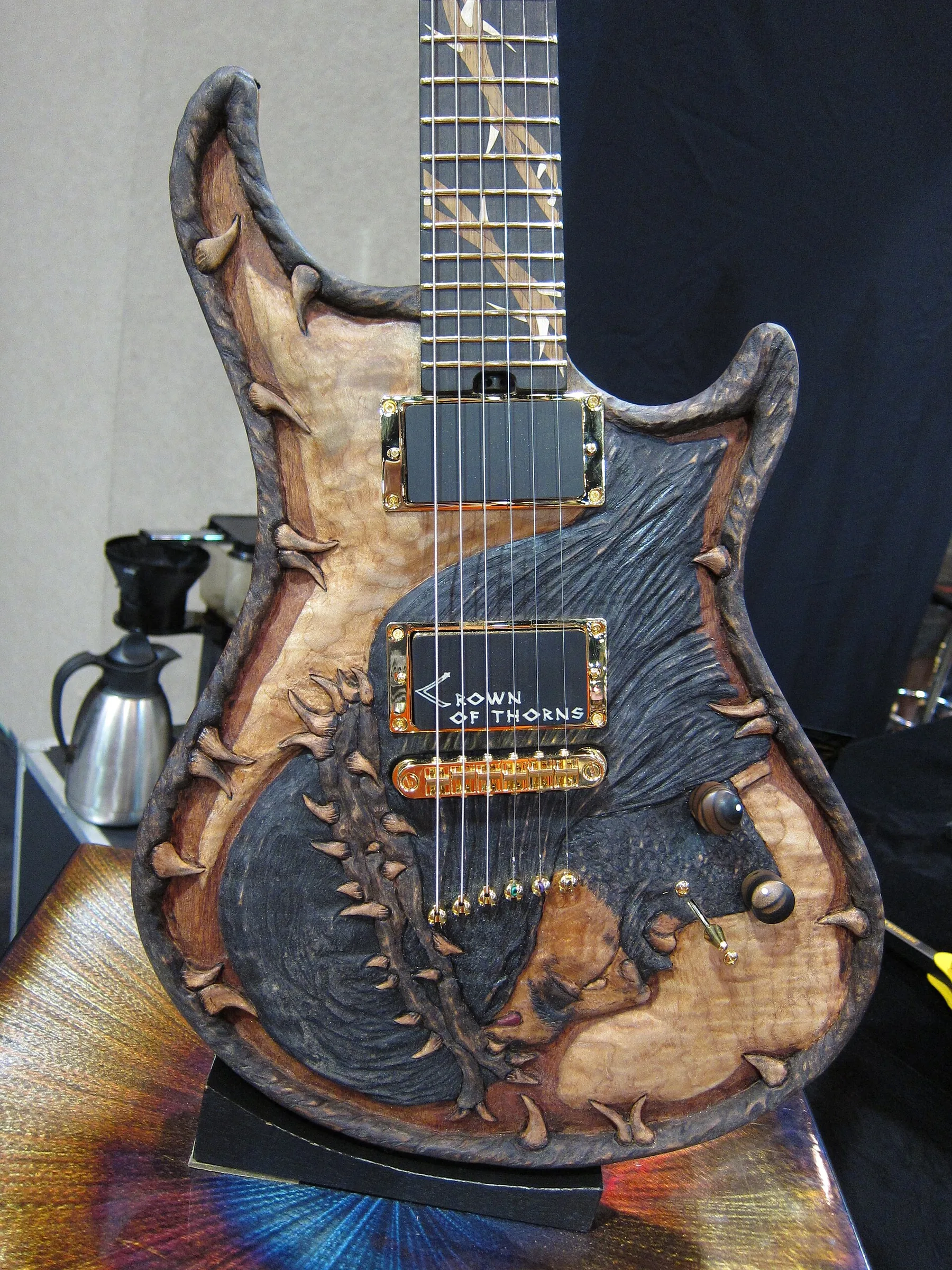
- Body size: it affects comfort and resonance.
- Bracing: it is essential for the strength of the top and the transmission of vibrations.
- Value for money: it matters when buying, especially for beginners.
| Feature | Benefit | What to check |
|---|---|---|
| Spruce top | Projection and dynamics | Solid or laminated wood |
| Neck | Comfort and precision | Profile, finish, nut |
| Tuners and strings | Tuning stability | Tuner quality, string gauge |
Practical tip: test several models in store to assess body size and how easy it is to move through chord changes.
The different body shapes and how they affect sound
The size and shape of the body profoundly change an instrument’s tone and projection.
Dreadnought: created in 1916 by Frank Henry Martin, this format delivers powerful bass. Its spruce top promotes clear treble. Gibson’s Hummingbird, launched in 1960, remains a historic reference.
Concert and Auditorium
These formats, notably brought back into the spotlight by artists such as Eric Clapton in the early 1990s, offer excellent balance. Their intermediate size suits fingerstyle playing. They can be more ergonomic for acoustic concerts.
Jumbo and power
The Jumbo body produces deep resonance and rich bass. It is ideal for musicians looking for more projection.
“A cutaway can be a useful option for reaching high notes without sacrificing all the resonance.”
| Format | Feature | Recommended use |
|---|---|---|
| Dreadnought | Powerful bass, spruce top, bright treble | Strumming, accompaniment, amplified playing |
| Auditorium / Concert | Balance between bass and treble, neck comfort | Fingerstyle, recording, intimate stages |
| Jumbo | Deep resonance, large body | Soloists seeking power and sustain |
Tip: weigh up body comfort and wood richness. Your choice will depend on your musical styles and the type of strings you prefer.
For additional technical reading, see the guide to woods and tops.
Choosing between a solid top and a laminated top
The nature of the top directly influences an instrument’s voice and tonal evolution.
Solid top, often spruce: it offers richer vibration and develops character over time. The response to nuances is more precise, and projection improves after a few years of use.
Laminated top: this type of construction remains sturdy and better resists changes in humidity. Its main appeal is the price: it makes the model more accessible to beginners or musicians who travel.
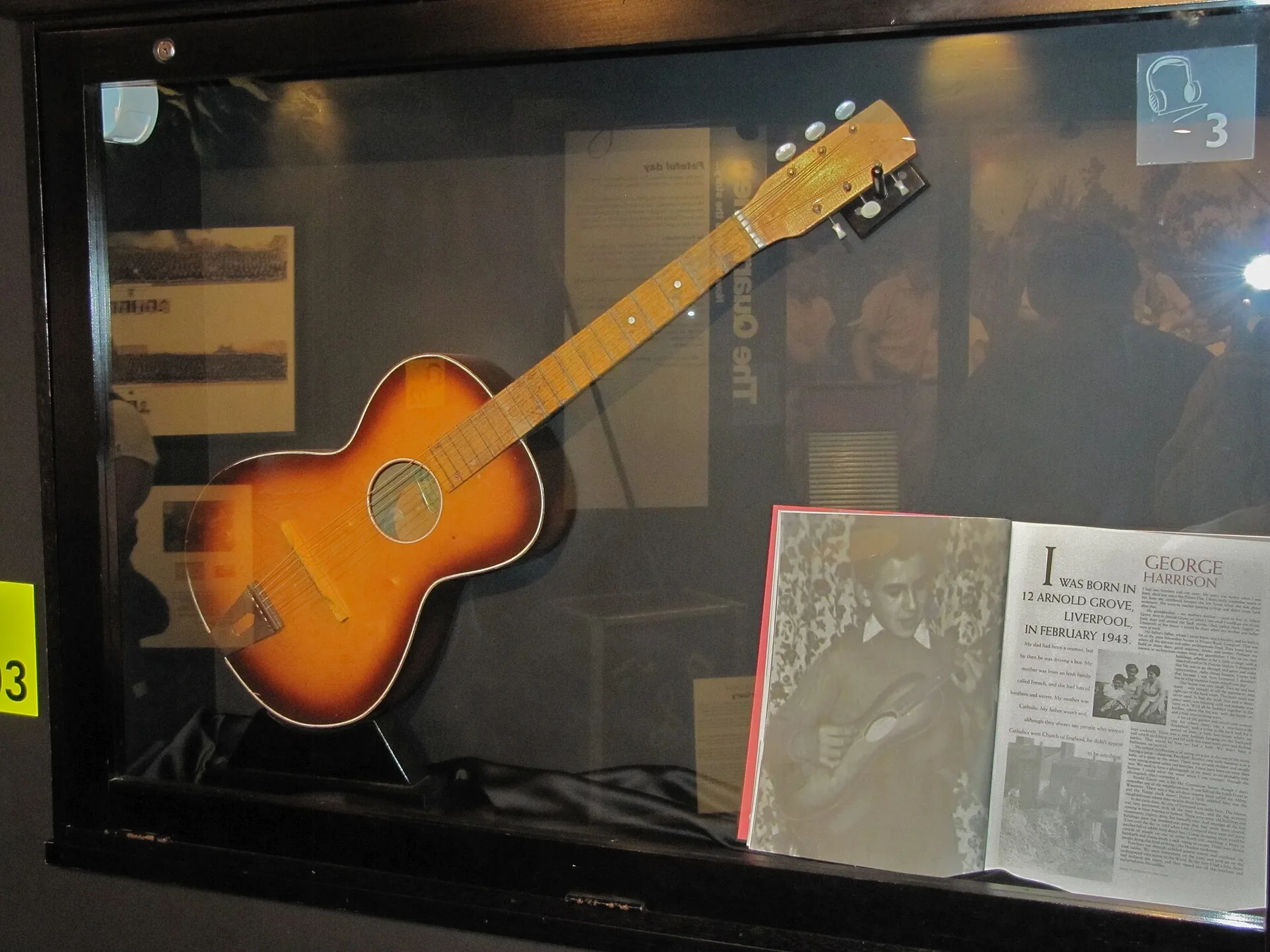
The wood of the top remains the determining factor in tone. A solid top favors tonal richness, while a laminated top adds practicality. If you often play without amplification, favor a solid top for projection.
- Investment: a solid top often justifies a higher cost.
- Maintenance: solid woods require more attention when facing climate changes.
- Use: laminate suits travel and tight budgets.
To deepen your technical points of reference and identify suitable models, see this folk guitar guide.
A selection of essential models for getting started
A good entry-level instrument simplifies learning and motivates the musician.
The best entry-level and mid-range options
Cort Earth 70: a reference for beginners, with a solid spruce top that offers beautiful projection and excellent value for money.
Cort SFX-MEM: equipped with a cutaway, it makes it easier to move from rhythm playing to solo playing.
Lag Tramontane TL88ACE: a versatile auditorium format, with a neat finish and neck comfort suited to long sessions.
Eastone DR100: a simple, affordable model offering deep bass and clear treble for good tonal balance.
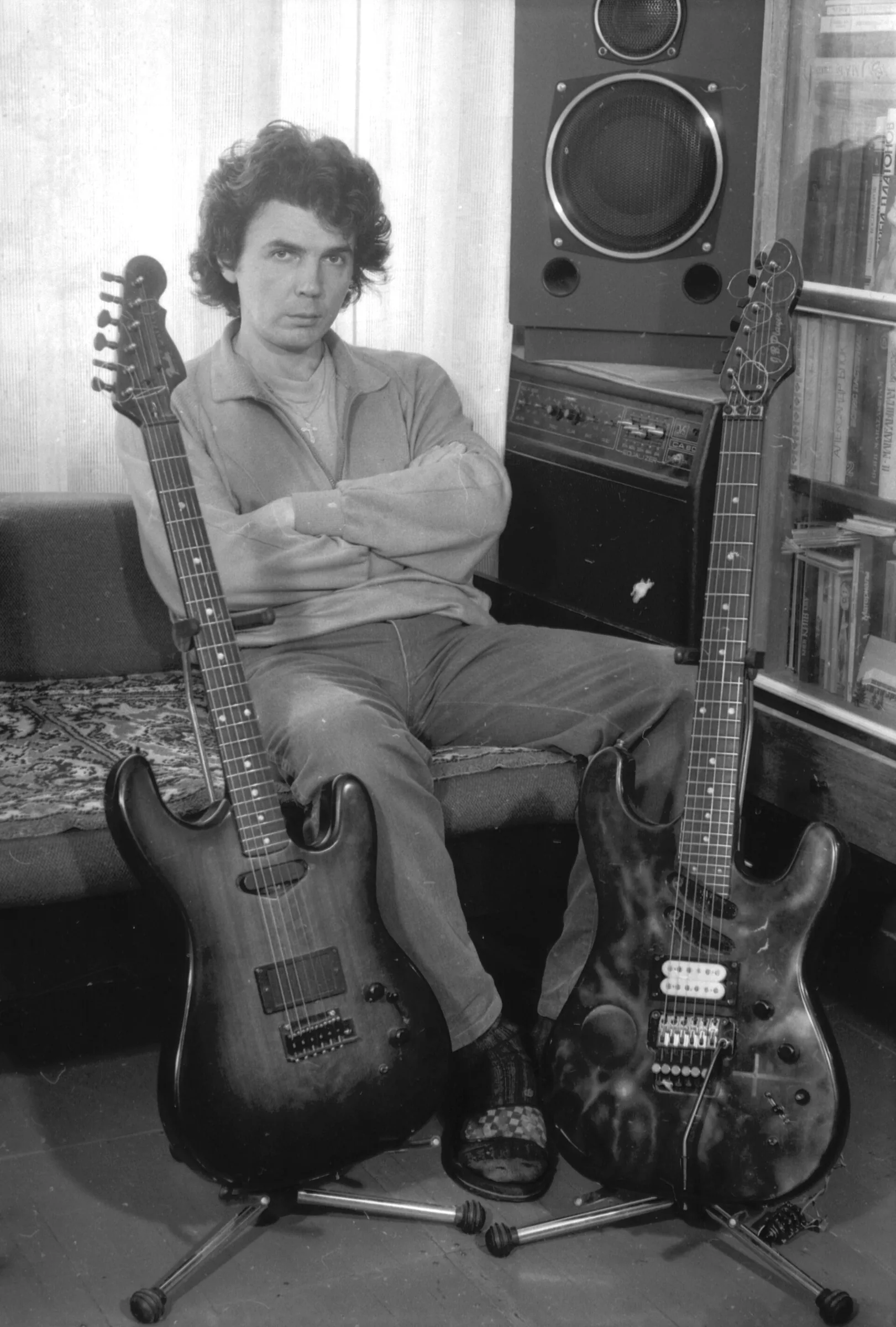
Body size and neck comfort remain essential. These instruments can be fitted with quality strings to improve resonance immediately.
| Model | Strength | Recommended use |
|---|---|---|
| Cort Earth 70 | Solid spruce top, projection | Beginners, accompaniment |
| Cort SFX-MEM | Cutaway, access to high notes | Rhythm and solos |
| Lag TL88ACE | Versatility, comfort | Fingerstyle, intimate stages |
| Eastone DR100 | Deep bass, clear treble | Demanding beginners |
To identify other references and compare options, see this dedicated selection: model selection.
High-end options for demanding musicians
High-end models combine craftsmanship and modern technologies for exceptional sound.
Martin D-15M: this all-mahogany instrument delivers full, warm tones, ideal for players who want round bass.
Taylor 314ce LH: since 2019, it has incorporated Andy Powers’ V-Class bracing. This technical choice improves projection and the balance between bass and treble.
Gibson J-45 Standard: heir to the 1942 model, it remains a stage reference for professional musicians.
“These high-end instruments offer a dynamic response, deep bass and crystal-clear treble.”
- Superior woods guaranteeing resonance and tuning stability.
- Cutaway available on some models for reaching high notes.
- Investment justified by playing comfort and manufacturing precision.
| Model | Main asset | Recommended use |
|---|---|---|
| Martin D-15M | Solid mahogany, warmth | Accompaniment, stage |
| Taylor 314ce LH | V-Class bracing, projection | Recording, expressive playing |
| Gibson J-45 Standard | Heritage, stage versatility | Concerts, accompaniment |
Accessories and maintenance for your instrument
Working with an experienced craftsperson guarantees adjustments suited to your hand and your style.
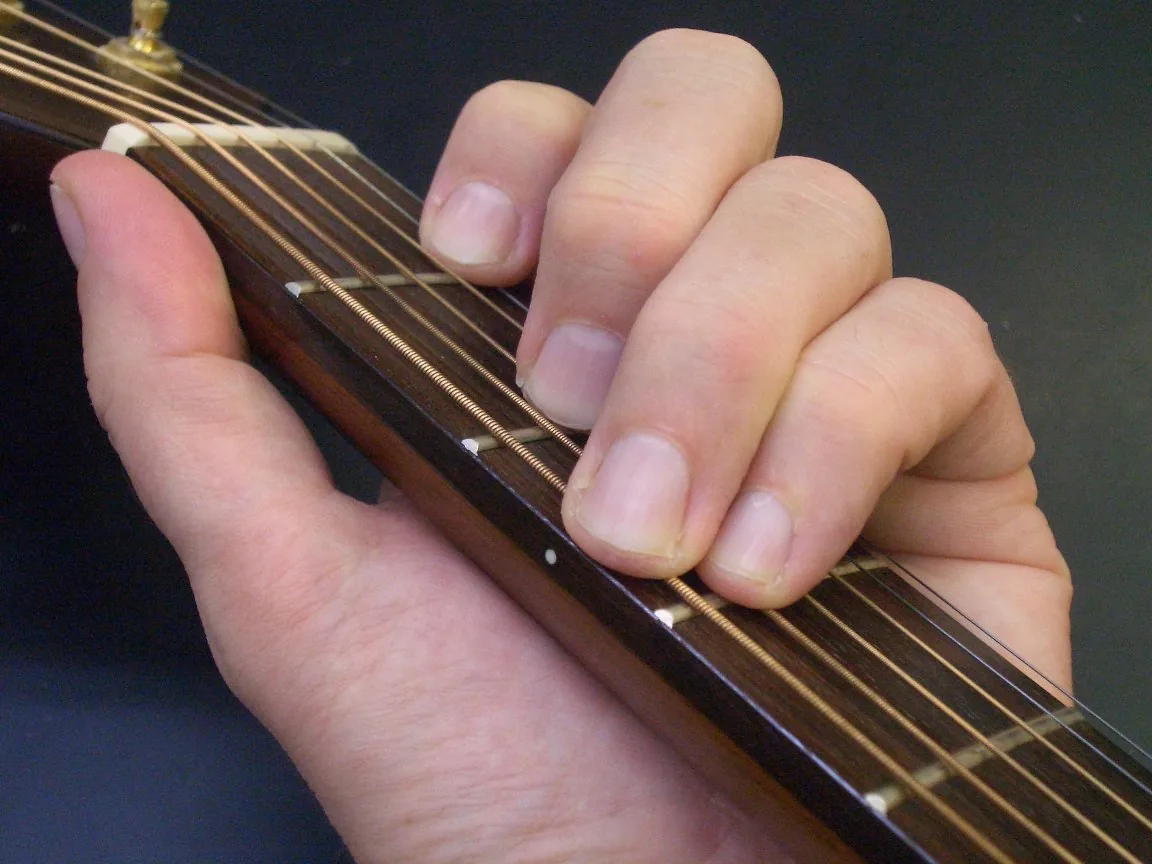
A professional luthier adjusts the neck and strings to achieve ideal action. They can also modify an existing model to adapt the guitar to the musician’s laterality.
Creating a custom-made instrument can cost between €2,000 and €2,500. This price covers the design, wood selection and suitable finishes.
Routine maintenance and useful accessories
Clean the wood regularly and change the strings according to use. Simple maintenance extends the life of the instrument and preserves its quality with resale in mind.
- Choose straps, capos and picks compatible with your folk guitar.
- Favor hard cases to protect the body and finish.
- Entrust action, intonation and tonal balance adjustments to an expert to optimize resonance.
“Careful maintenance keeps your instrument’s value on the second-hand market.”
Conclusion
The final word always comes down to how the instrument feels when you try it in store. A good choice makes learning easier and protects your enjoyment of playing.
Folk guitars for left-handed players now offer quality equivalent to right-handed models. Testing several models helps you identify the neck, body and sound that suit you.
If you are unsure, ask a professional for advice and read user feedback. For a selection of models and dedicated tests, see this guide: left-handed selection.
In short, the best thing to do is to try instruments and keep one that makes you want to progress in music.
Leave a Reply