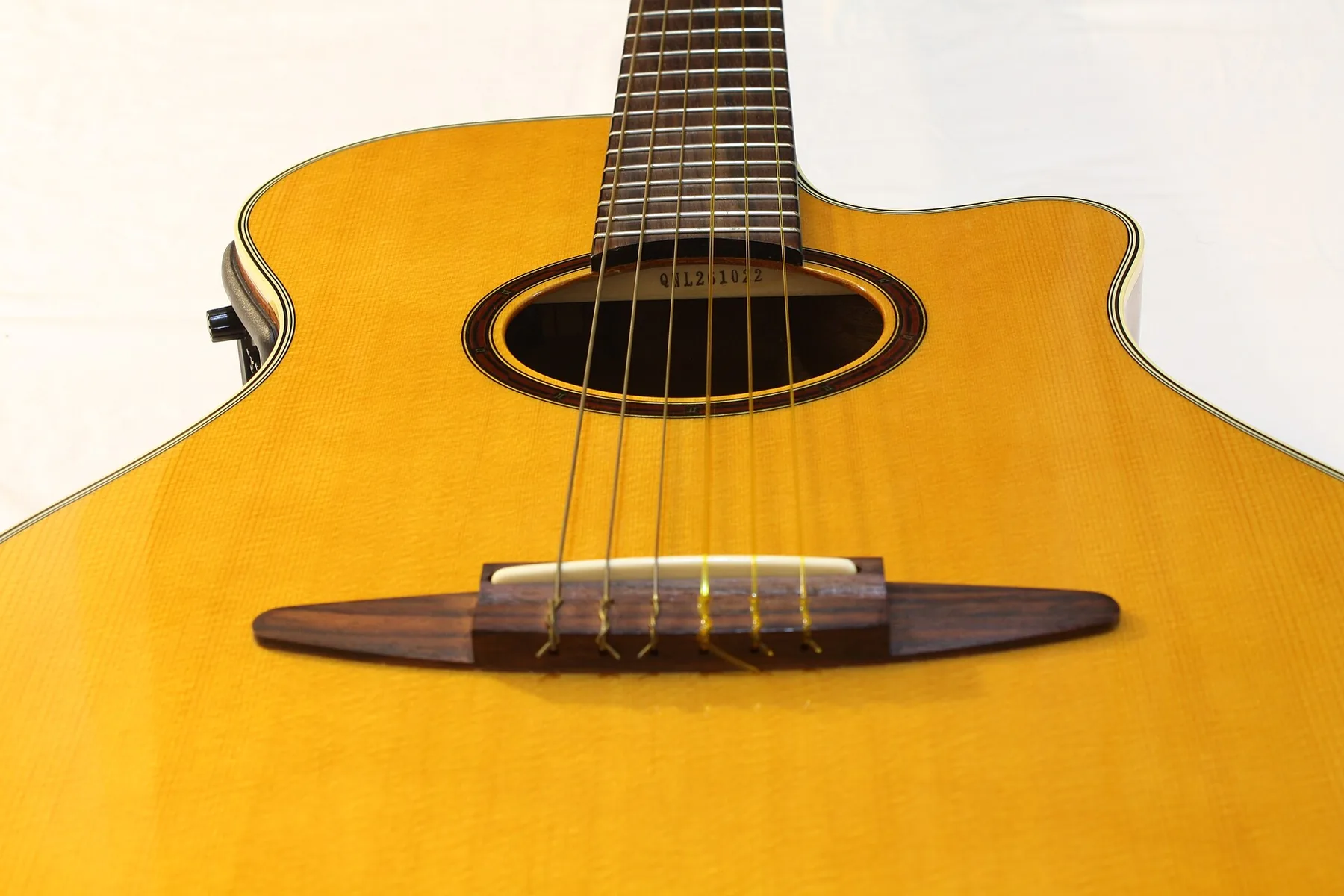
Put your favorite Beatles track on in the background to inspire you during your first practice sessions. This concise guide helps you build solid foundations without stress.
The method presented shows the instrument as accessible and versatile. You will find practical advice to structure your learning and stay motivated.
We cover simple chords, basic rhythms and the importance of consistency. Following a clear progression lets you play your first songs quickly.
Choosing lessons: whether you choose online lessons or a teacher, this guide points you toward concrete steps. To go further, see our complete method on MyGuitare.
Why Choose Folk Guitar as a Beginner
For a first instrument, the folk guitar appeals because of its projection and versatility. This type of acoustic instrument lets you explore many styles, such as folk, blues or rock, without complex equipment.
Its sound box and steel strings produce a bright, punchy sound. This sound is ideal for accompanying singing and being heard without an amp.
The neck is often narrower than that of a classical guitar. This can be more comfortable for the fingers and make open chords easier to play.
At first, the string tension may tire your hand. That is normal: over time, the skin toughens and precision improves.
- Versatility: an acoustic model suited to several styles.
- Projection: a powerful sound box thanks to steel strings.
- Practicality: the ability to play anywhere without an amp, an economical choice for beginners.
Learning Folk Guitar: Where to Start in Practice
A simple, regular plan turns the desire to play into measurable progress.
To begin, adopt a structured method that covers the basics: posture, chords and reading tablature. Spend at least half an hour a day practicing; this rhythm strengthens the hand and improves your playing in a short time.
Understanding your instrument also helps. Identify the neck and the strings, examine the resonance of your acoustic guitar and compare it with a classical guitar if you have one at home.

Work on open chords and simple songs to stay motivated. Online lessons offer great flexibility: they allow guitarists to progress at their own level, according to the time they have available.
- Structured method: technical and theoretical basics.
- Tablature: reading grids to play quickly.
- Consistency: 30 minutes a day.
- Online lessons: practice at your own pace.
The Essential Criteria for Choosing Your First Instrument
The right balance between budget and quality determines how much you enjoy playing. For a beginner, choose a mid-range acoustic guitar: a budget of €150 to €350 often offers excellent value for money.
In store, take the time to try several models. Check whether the neck suits the size of your hand and whether the chords can be played without pain.
Budget and Quality
Prioritize wood quality and tuning stability. The woods influence resonance. Avoid very cheap kits: they are often frustrating and do not stay in tune well.
An 11/52 string gauge is recommended for a good balance between finger comfort and note stability.
Try Before You Buy
Test how it feels in your hands, the string height, and check whether the model has a useful cutaway for reaching the high notes.
- Plan to buy a tuner from day one.
- Favor an acoustic guitar rather than a low-end electric guitar for this folk style.
- For more details on choosing, see this practical guide: choosing your first guitar.
Understanding the Guitar’s Structure and Components
Knowing each part of your instrument makes setup and everyday playing easier. The structure is based on a wooden body that projects the sound: this is the sound box. This wood and the shape of the model directly influence the tone.
The neck is the part where you place your fingers to form chords. The strings, stretched between the nut and the bridge, determine tension and playability.
String order, from lowest to highest: E, A, D, G, B, E. Memorizing this notation helps with tuning and communicating with other musicians.
Useful differences: a classical guitar uses nylon strings, while an acoustic guitar uses steel strings. This distinction changes the tension, feel and sound produced.
- The body amplifies resonance and contributes to the bright character of the sound.
- Identifying the nut, bridge and tuning machines helps with maintenance.
- Knowing these parts lets you improve your techniques and progress more effectively.
The Ideal Posture for Playing Without Pain
A correct body position allows you to play longer without pain or fatigue.
Sit up straight, with relaxed shoulders. Place the instrument on your right thigh if you are right-handed and turn your torso slightly to feel more comfortable.
The hand on the neck should stay relaxed. Keep the thumb behind the neck to balance pressure on the strings.
Hand and Body Positioning
Move the elbow slightly away from your body to avoid tension in the shoulder. A strap can stabilize the instrument, whether sitting or standing.
- Adjust the seat height so your right arm falls naturally over the body.
- Use a footstool if necessary to raise the leg and align the neck.
- Take regular breaks to relax the fingers and wrist.

| Element | Advice | Benefit |
|---|---|---|
| Back | Keep the back straight, chin neutral | Less fatigue and better breathing |
| Neck | Thumb behind, fingers curved | Easy access to frets, precision |
| Arm and shoulder | Elbow away from the body, shoulder relaxed | Reduced tension and range of motion |
| Accessories | Strap or footstool | Stable position, more comfort |
Mastering Basic Chords in Open Position
Open positions use open strings to create rich, immediate tones.
Start by learning C, D, E, G and A. These chords open the door to many popular songs. Work on each shape slowly so that every string rings clearly.
Position your hand on the neck by curving your fingers. Avoid letting the palm touch the strings. Precise pressure prevents muted notes.
Following structured lessons helps you move between chords smoothly. Regular practice will strengthen your fingers and develop muscle memory.
Always check the tuning before a session: an in-tune instrument builds confidence and makes learning easier. Once these chords are mastered, you can move on to barre chords.

- Patience: repeat slowly, then increase the tempo.
- Repetition: 10 minutes a day on each chord.
- Resource: see this lesson to go deeper into essential chords: essential chords for beginners.
| Chord | Left-hand advice | Sound tip | Progression |
|---|---|---|---|
| C | Finger 1 on the B string, 2 on D, 3 on A | Check that the high E string rings | Repeat the C -> G change |
| D | Fingers close to the frets, palm away | Mute unnecessary strings with the thumb if needed | Rhythm exercises in 4/4 |
| E | Space the fingers slightly for more clarity | Emphasize the low E for more warmth | Introduce rhythmic variations with the pick |
| G / A | Thumb stable behind the neck | Control the open strings | Then move on to barre chords |
Pick-Playing Techniques and Strumming
Strumming turns a simple chord into a real rhythmic engine. For beginners, this technique gives songs body and makes accompaniment easier.
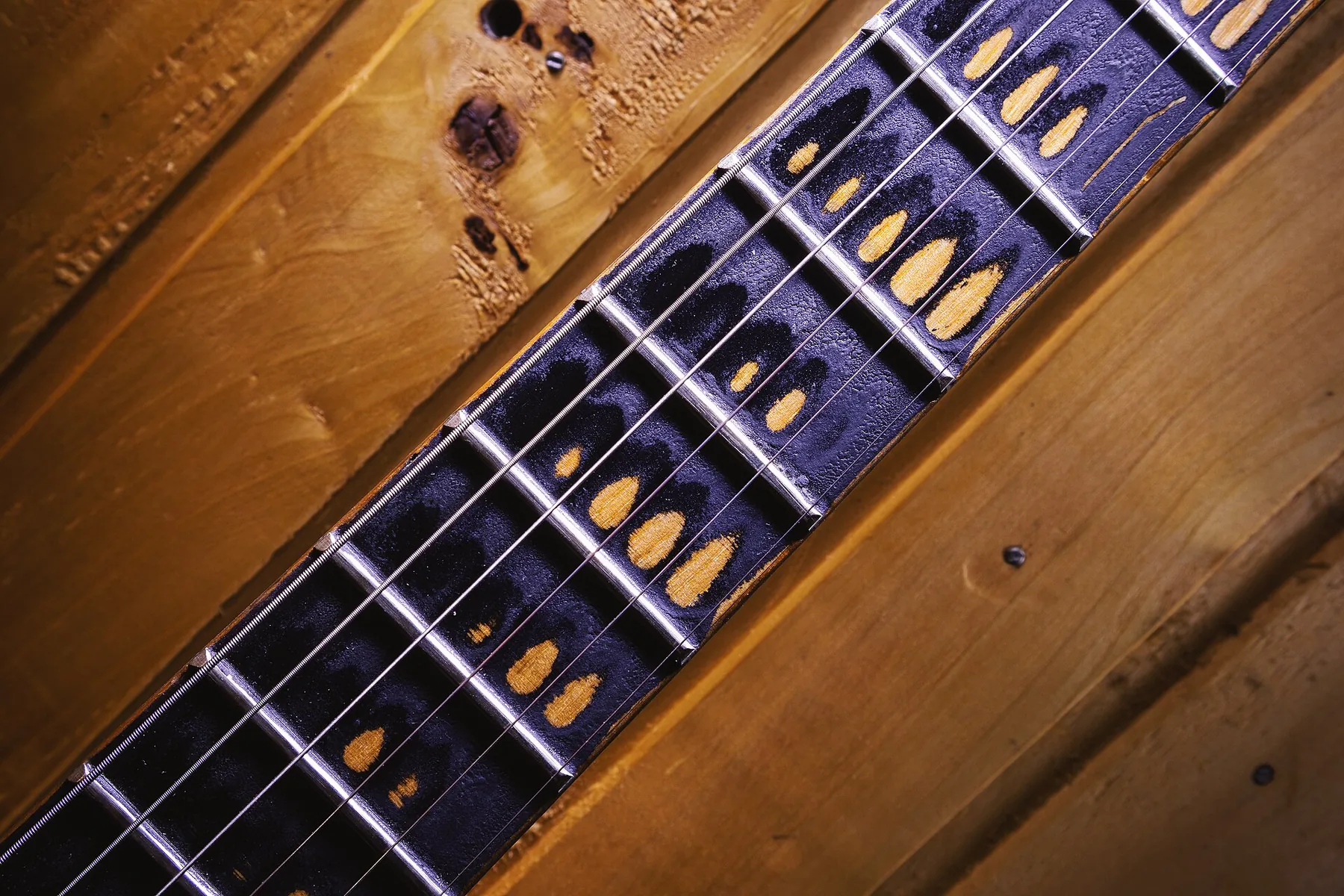
The Pendulum Motion
Use a pick and let the wrist make a natural pendulum motion. Alternate downstrokes and upstrokes, back and forth, while keeping the movement relaxed.
Start slowly with a metronome, then speed up gradually. A steady tempo helps stabilize your playing and the coordination of your right hand.
Reading Tablature
Tablature shows the strings in reverse order: the high strings are at the top. Learning to read it allows guitarists to quickly decipher songs without reading standard notation.
- Practical tip: work on a simple 4/4 pattern, then vary the accents.
- Online lessons offer strumming exercises to incorporate these techniques into your routine.
- Vary the styles to adapt your playing to the songs and enrich your sound.
Explore Fingerpicking to Enrich Your Playing
Fingerpicking opens up new sound colors to enrich your accompaniment.
This technique consists of plucking each string with the fingers. Marcel Dadi popularized this approach, which combines melody and bass in a single gesture.
Guitarists such as Tommy Emmanuel, Andy McKee and John Butler have added percussive hits and modern arrangements. The result offers great sonic richness.
- Advantage: melody and accompaniment played simultaneously.
- Coordination: the thumb handles the bass notes, the other fingers the melody.
- Styles: from traditional blues to contemporary pieces.
Practice requires patience and consistency. Watch Dadi concert videos to understand his teaching approach and reproduce simple patterns.
By incorporating this repertoire, you will enrich your sound and your arrangement possibilities.
The Essential Accessories for Progressing
The right tools turn each session into tangible progress. A tuner remains the essential accessory so your guitar is always in tune during every practice session.
Practical choice: choose picks between 0.60 mm and 0.80 mm to start with flexibility and precision.
- Strap: at least 5 cm wide and padded to reduce tension in the shoulders.
- Cable: if you use an electric or electro-acoustic guitar, a quality cable under 3 m limits signal loss.
- Stand: a simple stand protects your instrument and encourages frequent practice sessions.
“A good choice of accessories is often more cost-effective than changing instruments.”
Investing according to your budget and your model improves sound quality and comfort. For a detailed list and buying advice, see our accessories guide.
| Accessory | Recommended use | Benefit |
|---|---|---|
| Tuner | Tuning before each session | Immediate accuracy, confidence |
| Picks (0.60-0.80 mm) | Strumming and precision | Smooth control and technical progress |
| Strap (>= 5 cm) | Playing standing up | Comfort, less fatigue |
| Cable (< 3 m) | Electro-acoustic | Better transmission, less noise |
Organizing Your Daily Practice Sessions
Structuring each session quickly turns desire into measurable progress. Set a short goal and repeat it in several steps. A simple plan helps concentration and optimizes your time.
Finger Warm-Up
Start with five minutes of exercises on the neck. Do slow ascending and descending movements to loosen the fingers.
A warm-up prevents tension and prepares the hand for playing.
Rhythm Work
Dedicate part of the session to strumming with a metronome. Check pitch with a tuner and control the strings one by one.
Alternate slow and fast patterns to stabilize the tempo.
Learning New Songs
Break down each part: intro, verse, chorus. Work on chord changes slowly, then put them together.
Online lessons provide exercises to vary your sessions and stay motivated. For practical advice, follow these 14 tips for starting well.
“Fifteen regular minutes are better than a rare long session.”
- Warm-up: 5-10 min
- Rhythm: 10 min
- New songs: 10-15 min
Choosing Between Online Lessons and a Private Teacher
Your budget and availability often dictate the most suitable lesson format.
Online lessons generally cost between €15 and €30 per month. They offer great freedom: 24/7 access, personal pace and varied exercises.
A private teacher requires a minimum price of €25 to €30 per lesson. They provide tailored support and quickly correct hand and technique errors.
The right choice depends on your level, your schedule and your goals. If your budget is tight, platforms are an attractive option.
- Advantage of online lessons: flexibility and attractive monthly cost.
- Advantage of a teacher: quality of educational feedback and guided progress.
- Whatever type you choose, regular playing must be maintained in order to progress.
“Regular practice remains the decisive factor for making effective progress.”
| Option | Cost | Ideal for |
|---|---|---|
| Online lessons | €15-30/month | Self-taught learners, busy schedules |
| Private teacher | €25-30/lesson | Beginner to intermediate level seeking personalized support |
| Mixed format (lessons + teacher) | Variable | Combining flexibility and targeted correction |
To compare offers and find good value for money, see this guide to becoming a guitarist online.
Conclusion
Keep these practical reference points in mind to progress without pressure. The folk guitar remains a versatile instrument, accessible to beginners and rich in styles.
Structure your sessions, tune the instrument with a tuner and work on the neck, chords and strings little by little. Consistency is better than sporadic sessions.
Explore strumming, fingerpicking and different songs to shape your style. To deepen your foundations and find resources to get started with folk guitar, this guide offers you a good path.
Enjoy yourself, and adapt your choice of instrument (acoustic guitar or electro-acoustic model) according to the quality of the wood and the body. The time you spend each day will make all the difference.
Leave a Reply