
Choosing the right set of strings has a direct impact on your instrument’s sound, comfort and lifespan.
Materials vary: bronze, phosphor bronze, nickel, steel and nylon each bring a different tonal color. Diameter and gauge shape tension and dynamics.
Oxidation caused by perspiration can quickly damage a set, which is why a suitable coating can help extend its life and preserve tonal stability.
To learn more about recommended types, brands and gauges, see our complete guide.
Regular maintenance, periodic replacement and choosing a suitable gauge ensure a better feel under the fingers and a more balanced tone.
Why String Choice Is Crucial for Your Acoustic Guitar
A simple change of set can transform an instrument’s sonic personality. The right set affects harmonic richness, projection and response to attack.
Testing several options remains the best way to find the ideal set. Every musician wants to feel the comfort and hear the tonal color that suits their playing.
Guitars react differently depending on the body, neck, action and soundboard. The same set will sound bright on one guitar and warmer on another.
- Tonal richness: direct influence on resonance and balance.
- Comfort: makes long sessions easier and protects the hands.
- Expression: lets you explore new nuances and dynamics.
| Criterion | Expected effect | To test | Tip |
|---|---|---|---|
| Gauge | Tension and attack | Light / medium / heavy | Start with a medium gauge to balance your playing |
| Alloy | Warmth or brightness | Bronze, phosphor bronze, nickel | Try two types on the same guitar |
| Coating | Lifespan and feel | Uncoated / coated | Choose coating if you sweat a lot |
| Compatibility | Soundboard response | Specific model | Consult a guide for your model, for example everything you need to know about acoustic strings |
Investing time in selection helps your instrument reveal its full potential. By testing, you will find the set that supports your style and improves every performance.
How to Choose Acoustic Guitar Strings Based on Your Level
The right gauge makes learning easier and protects your hands during long sessions. For beginners, choose an extra-light gauge, such as 10-46 or 10-47. These sets reduce tension and make chords more accessible.
Recommendations for Beginners
Start gently: a light set limits pain and encourages regular practice.
- Recommended gauge: 10-46 or 10-47.
- Choose comfortable materials and brands that offer beginner guides.
- Do not force it: increase gauge gradually.
Tips for Experienced Guitarists
Once your fingers build resistance, move to 11-52 or 12-54 for more power and depth. Advanced musicians test different brands, including Ernie Ball, to find the material that suits them.
Practical tip: avoid changing gauge too abruptly. Consult a buying guide to match the gauge to the tension recommended by your guitar’s manufacturer.
Understanding How Gauge Affects Playing Comfort
Gauge changes tension and transforms how your fingers respond on the neck. A larger diameter increases tension, resonance and sustain, but it requires more effort to press down.
Light gauges require little pressure to make a note ring or perform a bend. They work well for beginners and light fingerstyle playing.
Choosing your strings remains a personal process: some players favor power, others comfort. On fragile guitars, a heavier gauge can even warp the neck if you are not careful.
“A suitable gauge makes playing feel more natural and reduces finger fatigue.”
- Diameter → required tension and feel under the fingers.
- Higher gauge → better sustain, but more effort.
- Light gauges → comfort, shorter sustain.

| Parameter | Effect | Who it suits |
|---|---|---|
| Light gauge (e.g. 10-46) | Comfort, easier bends | Beginners, fingerstyle playing |
| Medium (e.g. 11-52) | Balance between sound and playing comfort | Intermediate players |
| Heavy (e.g. 12-54) | Power, sustain | Advanced players, rhythm playing |
Manufacturing Materials and Their Impact on Sound
Each type of string shapes your guitar’s voice and the feel under your fingers.
The Characteristics of Bronze
Bronze gives a warm, rounded tone. It offers strong projection for rhythm playing.
This material can sound very bright at first, then soften over time. Wiping the strings after every session extends their lifespan and protects the fretboard.
The Precision of Phosphor Bronze
Phosphor bronze brings more clarity and a precise response. It is a good choice for studio recording.
This option resists oxidation better and keeps an even brightness for longer.
The Flexibility of Silk and Steel Strings
The silk and steel combination promotes softness and playing comfort. It suits beginners and sensitive fingers.
Brands such as Ernie Ball offer varied sets so you can easily test several materials.
| Material | Character | Who it suits |
|---|---|---|
| Bronze | Warm, rich | Rhythm playing, rounded acoustic sound |
| Phosphor bronze | Precise, durable | Recording, clear playing |
| Silk + steel | Flexible, soft | Beginners, finger comfort |
Coated or Uncoated Strings for Better Longevity
Protecting a set extends its performance and limits wear caused by time and perspiration.

The coating forms a barrier against oxidation and dirt. It keeps the tone consistent for longer.
The Benefits of Coating for Protection
Coated strings cost a little more, but their lifespan quickly offsets the investment for a regular musician.
The Elixir brand is often cited as a benchmark for this type of product. Its treatment also reduces finger squeaks on the strings.
- Protection against oxidation and perspiration.
- Less frequent changes, better tonal consistency.
- Greater playing comfort and reduced maintenance frequency.
“A well-designed coating turns everyday use into savings in time and money.”
| Characteristic | Coated | Standard |
|---|---|---|
| Lifespan | High | Moderate |
| Price | Higher | Cheaper |
| Protection | Excellent | Low |
Differences Between Flatwound and Roundwound Strings
Depending on the winding structure, a string can sound bright or more muted.

Roundwound strings are the most common on acoustic guitars. They offer bright resonance and a pleasant feel under the fingers.
By contrast, flatwound models are polished. The result is much more muted and removes some finger squeak.
- Round → brightness, versatility, clear attack.
- Flat → smoothness, warmth, ideal in the studio or for jazz.
- The structure influences sensitivity and acoustic response while playing.
The best choice will depend on your style and the result you expect. Testing both often opens up new sonic possibilities.
Roundwound or flatwound: this distinction lets you go further depending on the use case.
Distinguishing Acoustic Guitar Strings from Classical Models
The main difference lies in material and tension. Acoustic guitars use metal strings (bronze, steel, nickel), while classical guitar uses nylon treble strings and metal-wound nylon bass strings.
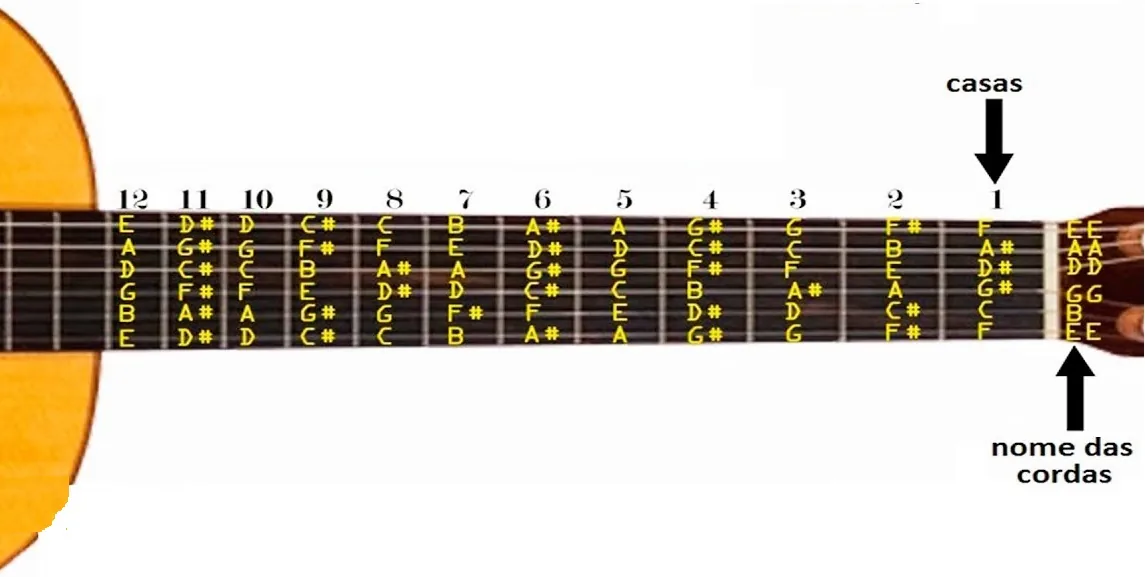
The bass strings on an acoustic guitar have a larger diameter. They therefore offer a richer foundation and higher tension than classical bass strings.
Warning: never put metal strings on a classical guitar. Excessive tension can warp the neck irreversibly.
- Electric guitar strings favor nickel or steel for good interaction with pickups.
- Gauges must be chosen according to the model: following recommendations helps avoid damage.
- Brands offer suitable ranges; always check compatibility with your instrument.
“Respecting materials and gauges protects the instrument and ensures the best sound.”
| Type | Materials | Diameter / tension | Sound |
|---|---|---|---|
| Acoustic | Bronze, steel, nickel | Thicker / tighter | Rich, powerful |
| Classical | Nylon (trebles), wound nylon (basses) | Thinner / less tight | Warm, soft |
| Electric | Nickel, steel | Varies by gauge | Precise, suited to pickups |
For a more complete guide to the technical differences, read our article differences between acoustic and classical.
Tips for Maintaining and Replacing Your Strings
Simple habits after every session prevent oxidation and loss of brightness.
Always clean your instrument. After a session, wipe the guitar strings and neck with a soft cloth. This ritual limits corrosion and extends the life of the string set.
When to Change Your Strings
For consistent sound quality, change your strings every 3 to 6 months depending on your playing habits. A very active musician may replace them more often.
If the strings become dull, hard to tune or produce unwanted noise, it is a sign they need changing. Sometimes only one string breaks, but replacing the full set gives immediate balance.
The Right Replacement Method
Always replace your strings with a set of the same gauge to avoid having to adjust the neck setup. Beginners can consult the manufacturer’s website to follow a step-by-step method.
- Cleaning: soft cloth after every session to prevent oxidation.
- Frequency: 3 to 6 months depending on use.
- Gauge: keep the same gauge; a higher gauge can tire sensitive fingers.
- Brands: choose references such as Ernie Ball for better tuning stability.
- Neck: also clean the fretboard; dirt affects playing comfort and resonance.
“Replacing a set while respecting the gauge ensures stability and playing pleasure.”
For a detailed guide and illustrations, see properly maintaining your strings.
Conclusion
In conclusion, the match between gauge, material and coating determines the final sound and comfort. A good choice optimizes projection, intonation and feel.
Regularly maintaining your instrument and cleaning it after every session extends the brightness and lifespan of the set. Periodic replacement remains essential for rich resonance.
Dare to test several brands and types of strings to find your sound. To go further, consult this hguitare guide, which will help you refine your setup.
Leave a Reply