
This article explains why this instrument appeals to so many musicians in France. It is intended for beginners as well as experienced players looking for great versatility and a reliable sound.
The combination of a spruce top and an integrated preamp system provides a natural resonance suited to both stage and studio use. The choice of wood, body shape and neck affects tone, volume and playability.
Looking at models such as the Tanglewood TWCR OE, the Fender CD 60SCE Black and the Sigma 00MSE shows how budget influences the finish, the quality of the craftsmanship and the level of the electronics.
In short, this instrument suits guitarists looking for versatile sound quality. For a detailed buying guide and comparisons, see our complete selection dedicated to the best electro-acoustic guitar.
Understanding the electro-acoustic folk guitar
The fusion of an acoustic body and electronics completely changes how the instrument is used. The integrated system captures the vibration of the top and converts it into an electrical signal. This makes it possible to amplify the sound without sacrificing the resonance of the wood, especially that of spruce.
How the electro-acoustic system works
- A piezo pickup, often placed under the bridge saddle, captures the vibrations transmitted by the strings.
- The resulting signal remains close to the instrument’s natural sound.
- The design of the body and soundbox influences the quality of the signal sent to the pickup system.
Role of the integrated preamp
The preamp lets you adjust the volume, tone and equalization. It shapes the sound according to the style of music being played and compensates for possible losses in the signal chain.
To explore the technical definition of the system in more depth, see this detailed explanation.
Electro-Acoustic Folk Guitar: Who Is It For?
Ideal for moving from the living room to the concert stage, this guitar responds immediately as soon as it is plugged in.
Beginner musicians: they appreciate its simplicity. One cable, a small PA system, and the sound is there. Plugging in avoids having to place a microphone in front of the body, as some artists did before integrated systems became widespread.
Experienced guitarists: they choose models with better wood quality, a more responsive top and a precise neck. These options improve playability and comfort during long performances.
Versatility: whether you play folk or other styles of music, integrated systems provide a consistent sound on stage and in the studio.
“Before integrated systems became widespread, some artists placed a microphone in front of their instrument to amplify themselves.”
| Profile | Main advantage | Recommended models |
|---|---|---|
| Beginner | Simple connection, immediate sound | Entry-level with preamp |
| Intermediate | Better top and higher-quality strings | Mid-range, spruce top |
| Professional | High-end wood, neck and pickups | Upper ranges, stage performance |
The Technical Benefits of Amplification
Built-in amplification transforms sonic presence on stage and in the recording booth alike.
Versatility on Stage and in the Studio
Direct connection: being able to connect to a PA system avoids placing a microphone in front of the soundhole. This reduces the risk of feedback and speeds up setup.
Consistent signal: thanks to the onboard system, the signal stays clean. Studio recordings gain clarity and fidelity.
- Precise settings: volume and tone can be adjusted to adapt the sound to each style of music.
- Playing comfort: guitarists keep the playability of an acoustic guitar while benefiting from modern options.
- Easier work for the sound engineer: a clean signal limits background noise and simplifies mixing.
- Style exploration: amplification respects the dynamics of the strings and opens up new playing possibilities.
“The direct output changes the way you play in a band and in the studio.”
For an overview of models and practical advice, see our guide electro-acoustic guitars: benefits and tips.
Major Differences from a Traditional Acoustic Guitar
Adding a pickup system profoundly changes the instrument’s sound behavior.
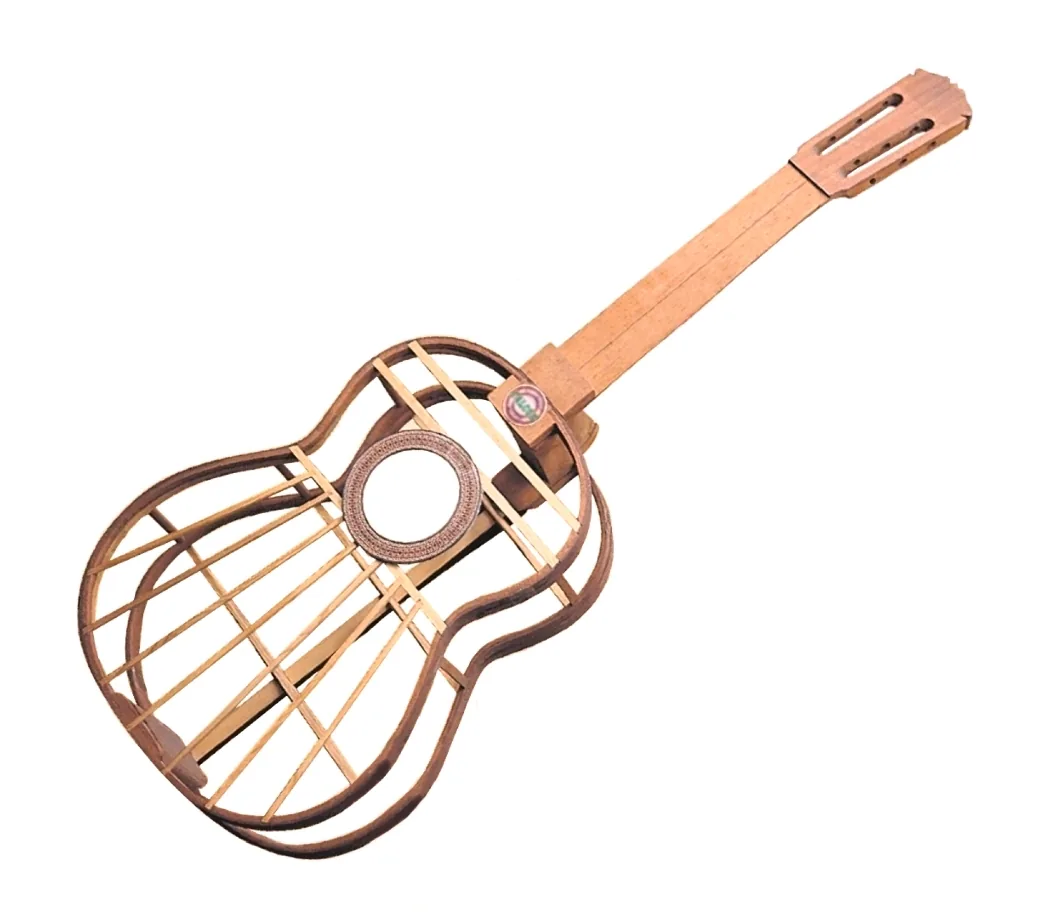
Mechanically, an acoustic guitar relies solely on the body to produce its sound. The electrified model incorporates pickups under the saddle or inside the body. This changes the way vibrations are captured and reproduced.
Wood, such as spruce, remains crucial for natural resonance. But adding electronics sometimes requires internal bracing. These modifications can subtly alter the dynamics and response of the strings.
In terms of quality, these instruments offer great versatility on stage and in the studio. Some purists prefer the simplicity of an acoustic guitar without circuitry. Others appreciate the hybrid format for its flexibility.
“Integrating a pickup makes it possible to play directly through a PA system without losing too much acoustic character.”
- Construction: possible internal bracing to accommodate the pickups and electronics.
- Top and neck: settings and design intended to preserve resonance and playability.
- Use: easier transition from stage to studio, with less need for an external microphone.
| Element | Traditional acoustic | Electrified model |
|---|---|---|
| System | No electronics | Integrated pickups and preamp |
| Top & neck | Optimized for pure resonance | Designed to integrate electronics with limited impact |
| Use | Living room, studio with microphone | Direct connection to a PA system |
For buying advice and comparisons between models, see this practical guide.
Essential Criteria for Making the Right Choice
A good purchase comes down to three simple points: the wood species, the type of pickup and the body shape.
The Importance of Wood Species
The material of the top determines resonance and projection.
Solid spruce remains a classic choice. It produces a clear sound and excellent dynamics.
Also examine the structure of the body and top. They ensure durability against changes in humidity.
Type of Pickup
The pickup directly influences sound reproduction once the guitar is plugged in.
Piezo systems offer precise capture of the vibrations transmitted by the strings. Magnetic pickups provide a different character.
Try several systems before buying: the playing feel and amplified response vary greatly.
Body Shape
The silhouette changes comfort and sound projection.
A small body favors comfort and a clear attack. A large body gives more bass and volume.
Also consider the neck: its quality and playability make learning and extended playing easier.

“Do not exceed €500 for your first purchase if you are looking for good value for money.”
| Criterion | Impact | Practical advice |
|---|---|---|
| Wood species | Resonance, clarity | Choose solid spruce if possible |
| Type of pickup | Fidelity when amplified | Try piezo and magnetic before buying |
| Body shape | Comfort and projection | Choose according to style and ergonomics |
| Neck & strings | Playability | Check the action and finish |
For a focused guide on choosing your first guitar, see our dedicated page.
Selecting the Model According to Your Budget
Your financial range directly guides the level of finish and the sound. For an electro-acoustic guitar, a clear budget helps you target the right models.
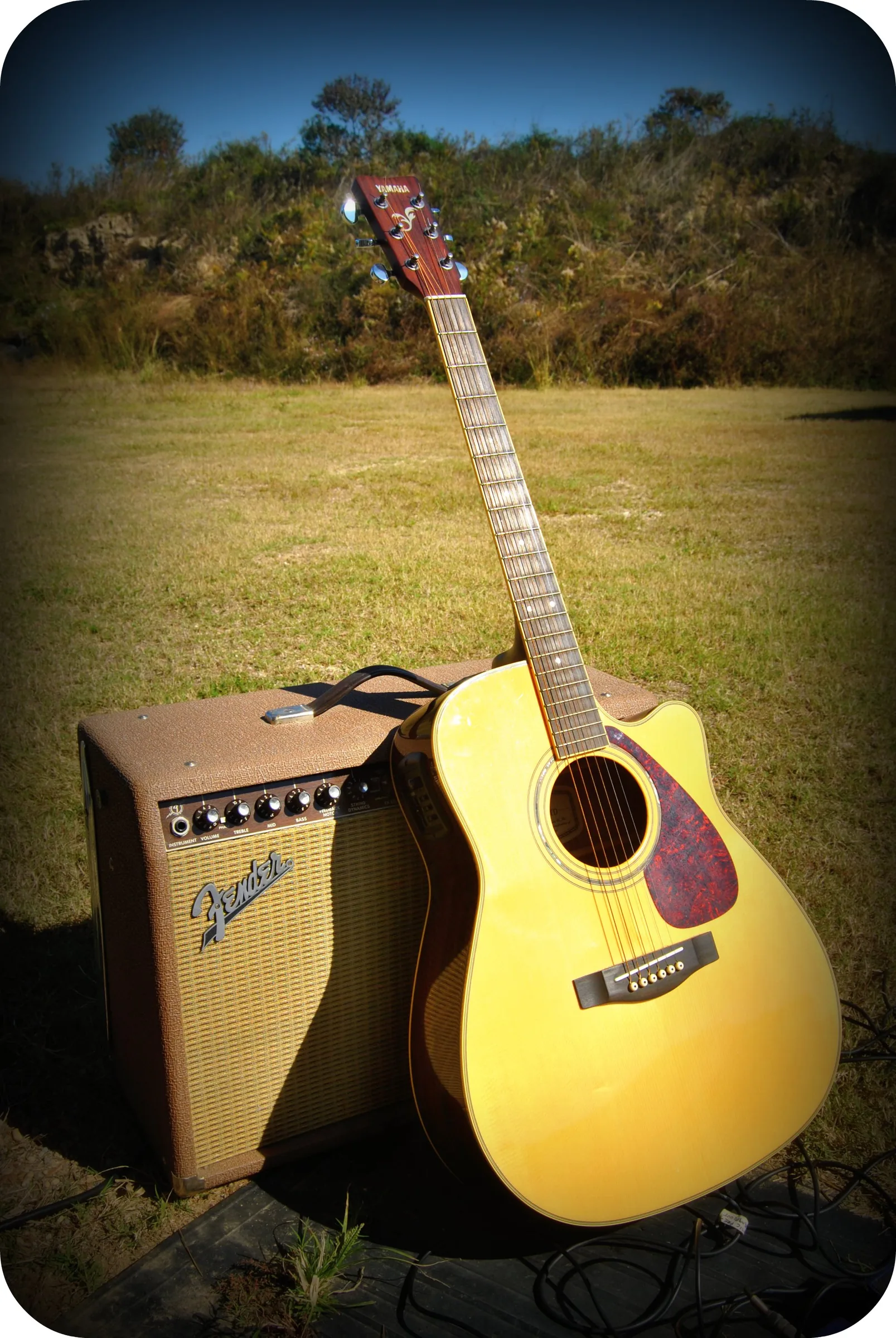
Under €400, the Yamaha FX370C remains an excellent example for beginners. It offers a responsive top and decent playability without spending too much.
In the mid-range and high-end categories, the Takamine ESF-40C and Lag 300DCE provide better wood quality, superior pickups and a more precise neck. These models suit guitarists looking for a richer sound.
Practical advice: check the top, neck and condition of the strings before buying. Try several models to feel the ergonomics and projection.
“Setting a budget lets you compare ranges and find the instrument that offers the best sound for your investment.”
| Range | Indicative budget | Recommended models |
|---|---|---|
| Entry | ≤ €400 | Yamaha FX370C |
| Mid-range | €400–900 | Lag 300DCE |
| High-end | > €900 | Takamine ESF-40C |
Tips for Long-Lasting Instrument Care
Protecting your instrument from humidity changes is the first precaution to take. Keeping humidity stable prevents deformation of the top and neck.
Protection Against Humidity
Control humidity: keep it between 45% and 55% if possible. Use humidifier packs in the case during dry seasons.
Regularly check the electronic components, especially if you use the instrument frequently on stage or in the studio. Clean contacts and batteries in good condition ensure better sound quality.
- Clean the strings after every session to extend their lifespan and preserve tone.
- Store your guitars in a hard case to protect them from impacts and climate variations.
- Have the electronics serviced by a luthier if the preamp produces hiss or dropouts.
“Regular maintenance ensures that your folk guitar remains a reliable companion for all your musical projects.”

In short: simple, consistent habits — humidity control, string cleaning, component checks — ensure longevity and playing quality.
Essential Accessories to Optimize Your Playing
A well-chosen accessory kit improves every session, from the living room to the stage.
High-quality strings change tone and playability. They provide more sustain and a clearer attack.
A precise tuner and a capo allow musicians to explore varied keys. They are easy to use and essential in concert.
Suitable amplifier: choose a model that respects the instrument’s dynamics. In the studio, a clean amp preserves signal fidelity.
- Stands and cases protect your models between sessions.
- Picks influence the character and feel of the sound.
“Good accessories extend string life and improve sound consistency.”
| Accessory | Role | Advice |
|---|---|---|
| Strings | Sound, playability | Choose a gauge suited to the neck |
| Tuner/capo | Key, adaptation | Chromatic tuner; lightweight capo |
| Amplifier | Stage/studio versatility | Clean amp with instrument input |
| Case/stand | Protection | Hard case and stable stand |
| Picks | Sound texture | Try several thicknesses |
In short: investing in these accessories improves the overall experience and makes every session more productive.
Comparing Woods and Their Influence on Sound
Each wood leaves a distinct sonic imprint, noticeable from the very first note. Spruce remains a common choice for the top thanks to its clear resonance and dynamics.
The type of wood used for the body and neck shapes projection and tonal color. A mahogany body will produce a warm sound, while a rosewood back will add more brightness.
The shape of the body, combined with the species, changes how the strings vibrate and how the sound spreads.
Different models offer varied wood species to cover a wide range of sounds, from rounded lows to crystal-clear highs. Understanding these differences helps the musician make a choice.
In practice: listen to several instruments, note the resonance and response to attack. For a technical point of comparison, see this wood-species comparison.
“Each wood species offers a unique signature: it is what makes each folk guitar recognizable.”
Conclusion
In conclusion: this article shows that the electro-acoustic guitar remains a versatile instrument, suited to beginners and experienced musicians alike.
The choice should take into account budget, wood quality, body shape and the integrated pickup system. These elements directly influence sound, playability and concert volume.
Thanks to the ability to move from acoustic to amplified playing, this instrument stands out on stage and in the studio. Try several models and check the top, neck and strings to find the one that matches your playing style.
Leave a Reply