
Starting a musical journey can seem complex, but a simple method changes everything.
This guide explains why setting clear goals is crucial for learning guitar and structuring your lessons.
The acoustic guitar remains the most versatile instrument for modern styles. By spending time on it regularly, you gain confidence and enjoy playing more.
Every time you repeat an exercise, you build solid foundations and avoid the usual beginner mistakes. This article details the essential priorities for making progress, step by step.
Following a structured plan for your guitar lessons optimizes your time and makes learning more effective. You will know what to practice, when, and why.
Why choose folk guitar to start
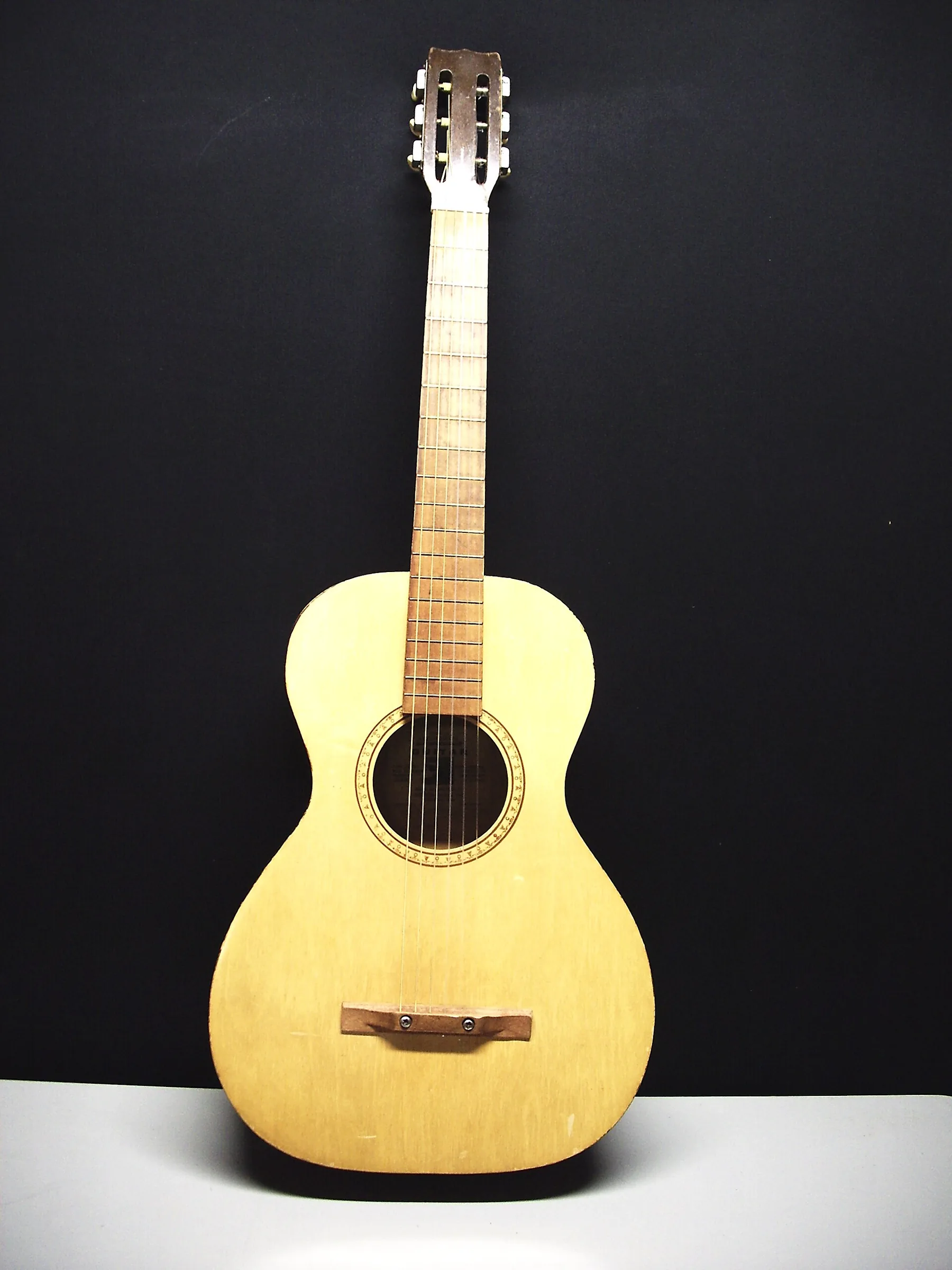
The folk guitar opens the door to a very wide musical range, ideal for beginners. This instrument combines comfort and versatility. It lets you explore several styles without changing tools.
Versatility across musical styles
The common breakdown is telling: 40% folk, 40% electric, and 20% classical. This means you can play modern songs while keeping a round, natural sound.
- Versatile for tackling many styles and popular songs.
- The acoustic sound shines on songs without amplification.
- This choice makes it easier to discover varied techniques and enjoy playing.
Benefits of a slim neck for beginners
A slim neck makes it easier to place your fingers on the steel strings. This reduces fatigue and pain during the first sessions.
“A comfortable neck changes the way you learn and motivates you to practice every day.”
To help you choose your first instrument, think about neck comfort. It is an important part of your progress.
Folk Guitar Lessons: What to Work on First to Progress
Start with the fundamentals: open chords, simple rhythms, and pick playing. These three areas give you the foundation to play songs quickly and keep enjoying yourself.
Practice every day in short sessions of 15 to 30 minutes. Repetition strengthens muscle memory and speeds up learning.
A good structured guitar lesson focuses on:
- mastering a few essential chords,
- steady rhythms for accompanying songs,
- pick attack for a clean sound.
Teachers recommend a progressive method, with supporting videos to visualize positions and right-hand movement.
“Repeating an exercise correctly is better than spending hours without a method.”

| Goal | Recommended duration | Expected result |
|---|---|---|
| Basic chords | 10-15 min/day | Smooth transitions between chords |
| Simple rhythm | 10 min/day | Stable accompaniment in a group |
| Pick playing | 5-10 min/day | Clear, controlled sound |
For practical advice and to progress faster, follow a consistent method. The right guidance reduces mistakes and improves your level in less time.
Choosing your instrument and having it set up
A good setup radically changes the comfort and sound of your instrument.
Wood moves over time. This can raise the action and make the neck harder to play.
Investing 20 to 30 euros with a luthier for a setup often transforms the experience. The left hand sits better, and chords become more accessible.
The importance of a luthier setup
Having your instrument set up by a professional helps you progress without pain.
- The string height is adjusted to your playing and style.
- The neck is checked to avoid buzzing or stiff spots.
- The overall sound improves, for a better result during lessons.
“A well-set-up instrument prevents frustration and speeds up learning.”
| Work | Average cost | Expected effect |
|---|---|---|
| Action and neck setup | 20-30 € | Better playability for the left hand |
| String change and cleaning | 15-35 € | Clear, long-lasting sound |
| Bridge and intonation adjustment | 20-40 € | Improved tuning accuracy, easier right-hand work |
| Complete setup | 30-60 € | Optimal comfort and faster progress |
Many beginner guitarists do not realize that the instrument changes over time. To avoid difficulties, schedule a regular checkup.
For technical solutions and practical advice, see this useful article: technical problems for beginner guitarists.
Getting used to finger pain
Your fingers sometimes need a little patience before they get used to the strings. Calluses on the fingertips form naturally after about two weeks of regular practice on your guitar.
Choose short sessions: 10 to 20 minutes a day is enough to strengthen the skin without straining your hand. Playing a little every day helps more than one long, irregular session.

If you are coming from electric guitar, expect a slight adjustment period: string tension and sensitivity are different.
- Take breaks as soon as discomfort appears.
- Vary the exercises so you do not overload just one area of the hand.
- Let time turn discomfort into a familiar feeling.
“Time is your best ally: a little every day is enough to progress without injury.”
| Problem | Recommended duration | Solution |
|---|---|---|
| Fingertip pain | 10-20 minutes/day | Daily practice and regular breaks |
| Transition from electric guitar | 2-3 weeks | Reduce duration, adjust finger pressure |
| Persistent discomfort | After a few sessions | Rest, consult someone if the pain remains sharp |
To prepare your hands before each session, read this useful article on warming up before playing.
Mastering the essential basic chords
Learning eight chord positions opens the door to hundreds of popular songs.
Mastering these chords is the priority for any beginner. These positions form the basis of most songs you hear on the radio or in a live music cafe.
By spending a little time each day memorizing these shapes, you free up your fingers. You can then focus on rhythm and expression.

Every time you link these chords together, your fluency improves. Over repeated practice, you build a small repertoire and very quickly play recognizable songs.
- Goal: know eight essential positions.
- Effect: faster chord changes and more confidence when playing.
- Tip: practice in short, regular sessions to progress without pain.
“Small repeated efforts are better than one long, irregular session.”
The crucial importance of rhythm
A solid sense of tempo changes everything in your playing. Rhythm is the central pillar: without it, clean chords lose their power.
The role of the metronome
The metronome locks the right hand to a fixed tempo. It is a concrete example of practice for gaining precision.
Practice slowly at first, then increase the tempo in small steps. This prevents uneven playing when you play songs.
Simple accompaniment rhythms
There are 10 essential rhythms for acoustic guitar. They are simple but powerful accompaniments.
Learn them so you can play songs with little effort and fit quickly into a group.
Playing in a group
In a group, tempo matters more than perfect chords. Make sure the left hand changes chord at the end of the bar.
Audio accompaniment helps stabilize your tempo and regularity over the long term.
“Rhythm brings songs to life; without it, everything becomes fragile.”
| Point | Exercise example | Expected effect |
|---|---|---|
| Metronome | 8-12 min/day at a fixed tempo | Timing precision, playing stability |
| Essential rhythms | Practice the 10 patterns | Ability to accompany varied songs |
| Group playing | Sessions with audio accompaniment | Better integration and confidence |
Using a pick from the start
Starting with a pick helps you get a cleaner sound from the very first weeks. It makes string attack more precise and gives your playing power.
Most artists use this accessory for its energy. Getting used to it takes a little time, but the effort is worth it.
At first, learn the simple grip: the thumb and index finger keep the pick stable. Then work on slow rhythms, before gradually speeding up.
- Benefit: clear sound and controlled attack.
- Effect: makes fast rhythms and precision easier.
- Prevention: avoids bad technical habits later.
“Every time you use a pick, you improve your control of the attack on the strings.”
By practicing a few minutes a day, the pick becomes natural. The gain in sound quality and confidence is worth the small initial investment.
Following a structured method to avoid mistakes
A structured plan simplifies every step of learning and protects you from bad habits.
A good method organizes practice around chords, rhythm, and pick playing. It breaks goals down into small, clear points.
Every time you repeat an exercise, check the targeted technical point. This avoids wasting time correcting flaws later.
Video guidance serves as an example for correcting the hand and imitating teachers’ movements. Guitarists who progress choose a coherent path instead of random tutorials.
- Benefit: fewer common mistakes and more enjoyment when playing.
- Structure: chords, rhythm, pick, targeted techniques.
- Advice: follow a progression validated by teachers and test your guitar progress.
“The method turns time spent into real progress.”
Using online resources to stay motivated
Online resources turn daily practice into a real source of motivation. They bring together methods, exercises, and guidance, which helps you stay consistent.
Platforms like MyGuitare show an average rating of 4.9/5, a sign of support appreciated by beginners. This quality translates into clear lessons and regular support.
The interactive method makes it easier to access lessons, even when you are short on time. Short videos, guided exercises, and personalized feedback make learning concrete and fun.
The real advantage remains the community: talking with other students prevents isolation. Discussions, progress sharing, and practical advice keep motivation alive.
“Feeling supported speeds up progress and makes practice more enjoyable.”
- Flexible access to lessons and training tools.
- Quality guidance confirmed by reviews.
- Opportunity to talk and help one another as students.
Managing your progress with regularity
Daily consistency turns small exercises into real progress. A few minutes each day stabilize muscle memory and make transitions smoother.
Choose short sessions: 10 to 20 minutes focused on chords, rhythm, or a passage from a song. A little, often, is better than one long session.
Follow a clear method and record your sessions. This helps you identify weak points and measure your level.
Good guidance, validated by your teachers, structures your practice time. It prevents stagnation and directs hand work toward precise goals.
- Plan simple weekly goals.
- Alternate chords, rhythm, and songs to vary your practice.
- Record your progress to stay motivated.
“Regularity is the secret of guitarists who make lasting progress.”
| Action | Duration | Expected effect |
|---|---|---|
| Targeted chords | 10 min/day | Faster transitions |
| Rhythm with metronome | 8 min/day | Tempo stability |
| Revisiting a song | 15 min/session | Repertoire consolidation |
Conclusion
Regular, guided practice quickly leads you to your first songs.
Learning the folk guitar is an adventure that opens up many musical styles. This guide gives you concrete keys to progress with method and enjoyment.
With good guidance and short sessions, you will gain confidence on your acoustic guitar and be able to accompany your favorite songs.
If you are looking for a plan to start, see this useful link: where to begin.
Good practice: keep enjoyment at the center and progress step by step.
Leave a Reply