
Choosing the right set directly affects your instrument’s tone, comfort, and lifespan.
Materials vary: bronze, phosphor bronze, nickel, steel, and nylon each bring a different color. Gauge and string tension shape feel, dynamics, and response.
Oxidation caused by sweat can wear out a set quickly, which is why a suitable coating can help preserve tone and protect the neck for longer.
Regular care, periodic replacement, and the right gauge give your fingers a better feel and help your guitar sound its best.
Why string choice matters so much for your folk guitar
A simple string change can transform an instrument’s sonic personality. The right set affects harmonic richness, projection, and attack response.
Trying several options is still the best way to find the set that feels right. Every player wants comfort under the fingers and a tone that responds to their style.
Guitars react differently depending on body shape, neck, and action. The same set may sound bright on one top and warmer on another.
- Tonal richness: directly affects resonance and balance.
- Comfort: makes long sessions easier and protects your hands.
- Expression: opens up new nuances and dynamics. Criterion Expected effect Try Tip Gauge Tension and attack light / medium / heavy Start with medium for balance Alloy Warmth vs brightness bronze, phosphor bronze, nickel Try two types on the same guitar Coating Lifespan and feel uncoated / coated Choose coated strings if your hands sweat a lot Compatibility Top response specific model
- Recommended gauge: 10-46 or 10-47.
- Choose comfortable materials and brands that provide beginner-friendly guides.
- Do not force it: move up in gauge gradually.
- Diameter -> required tension and feel under the fingers.
- Higher gauge -> better sustain, but more effort.
- Lighter gauges -> comfort, less sustain.
- Protection against oxidation and sweat.
- Fewer string changes and more consistent tone.
- Improved playing comfort and less frequent maintenance.
- Roundwound -> brightness, versatility, clear attack.
- Flatwound -> smoothness, warmth, ideal in the studio or for jazz.
- The structure affects sensitivity and acoustic response while playing.
- Electric guitar strings generally use nickel or steel for proper interaction with pickups.
- Gauges must be chosen for the model: following recommendations helps avoid damage.
- Brands offer suitable ranges; always check compatibility with your instrument.
- Cleaning: soft cloth after every session to prevent oxidation.
- Frequency: 3-6 months depending on use.
- Gauge: keep the same gauge; a heavier gauge can trouble sensitive fingers.
- Brands: choose trusted references such as Ernie Ball for better tuning stability.
- Neck: clean the fretboard too; grime affects playing comfort and resonance.
How to choose folk guitar strings for your level
The right gauge makes learning easier and protects your hands during longer sessions. Beginners should start with an extra-light set such as 10-46 or 10-47. These guitar strings reduce tension and make chords more accessible.
Recommendations for beginners
Start gently: a light set helps avoid pain and encourages regular practice.
Tips for more experienced guitarists
Once your fingers build strength, move to 11-52 or 12-54 for more power and depth. Advanced players test different brands, including Ernie Ball, to find the material that suits them.
Practical tip: avoid changing string gauge too abruptly.
Understanding how gauge affects playing comfort
Gauge changes string tension and transforms how your fingers respond on the fretboard. A thicker diameter increases tension, resonance, and sustain, but requires more effort to press down.
Lighter gauges need less pressure to make a note ring or perform a bend. They suit beginners and light fingerpicking well.
Choosing strings remains personal: some players prioritize power, others comfort. On fragile guitars, heavier gauges can even deform the neck if you are not careful.
“The right gauge makes playing feel more natural and reduces finger fatigue.”
| Setting | Effect | Best for |
|---|---|---|
| Light gauge, e.g. 10-46 | Comfort, easier bends | Beginners, fingerpickers |
| Medium, e.g. 11-52 | Balanced tone and playability | Intermediate players |
| Heavy, e.g. 12-54 | Power, sustain | Advanced players, rhythm playing |
String materials and their impact on sound
Each wire type shapes your guitar’s voice and the feel under your fingers.
The character of bronze
Bronze gives a warm, rounded tone. It offers strong projection for rhythm playing.
This material can sound bright at first, then mellow over time. Wiping the strings after each session extends their life and protects the neck.
The precision of phosphor bronze
Phosphor bronze brings more clarity and a precise response. It is a strong choice for studio recording.
This option resists oxidation better and keeps an even brightness for longer.
The softness of silk and steel strings
The silk-and-steel combination favors softness and playing comfort. It suits beginners and sensitive fingers.
Brands such as Ernie Ball offer varied types, making it easier to test several materials.
| Material | Character | Best for |
|---|---|---|
| Bronze | Warm, rich | Rhythm playing, rounded acoustic tone |
| Phosphor bronze | Precise, durable | Recording, clear playing |
| Silk + steel | Soft, gentle | Beginners, finger comfort |
Coated or uncoated strings for better longevity
Protecting a set extends performance and limits wear caused by time and sweat.
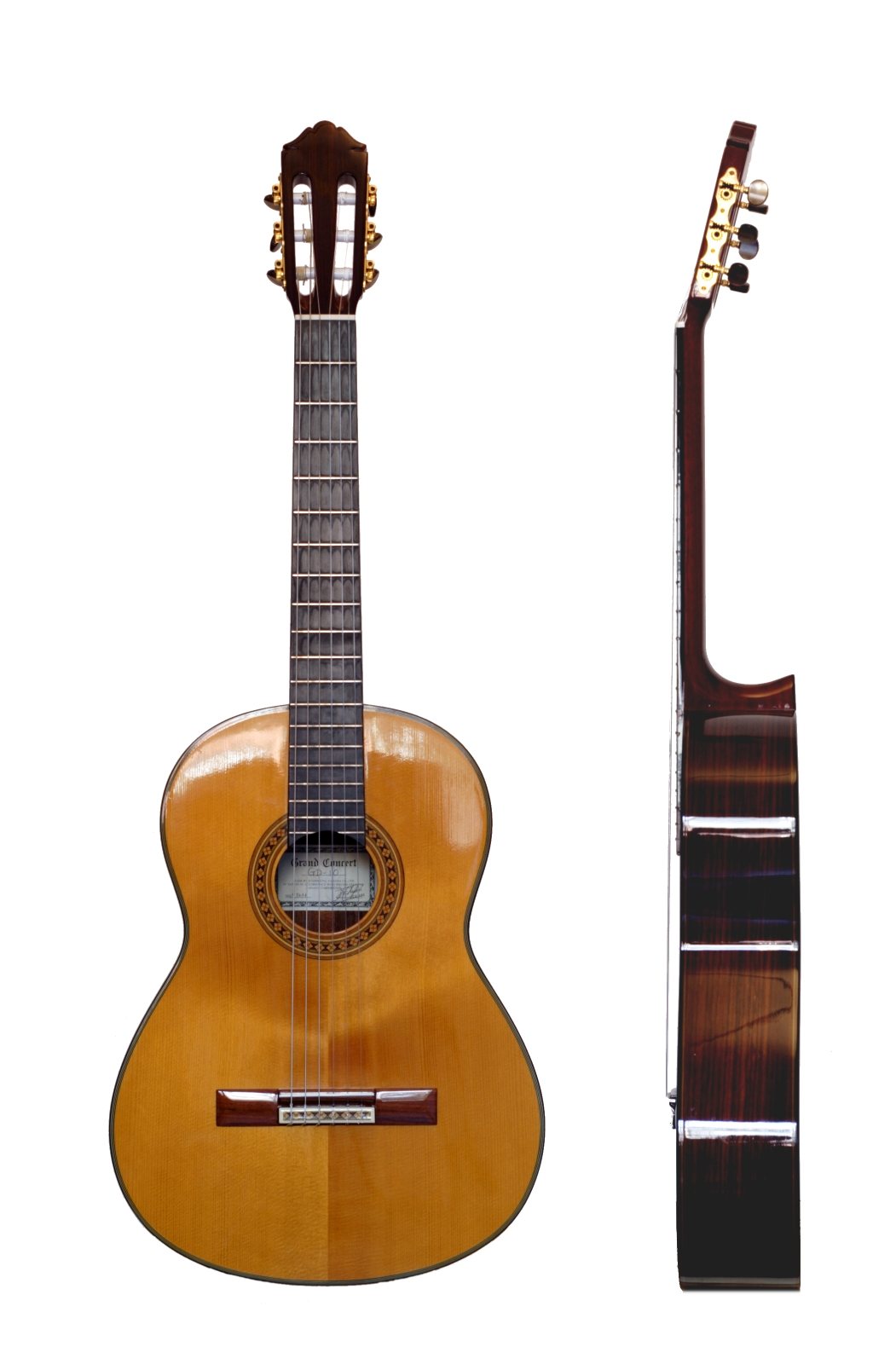
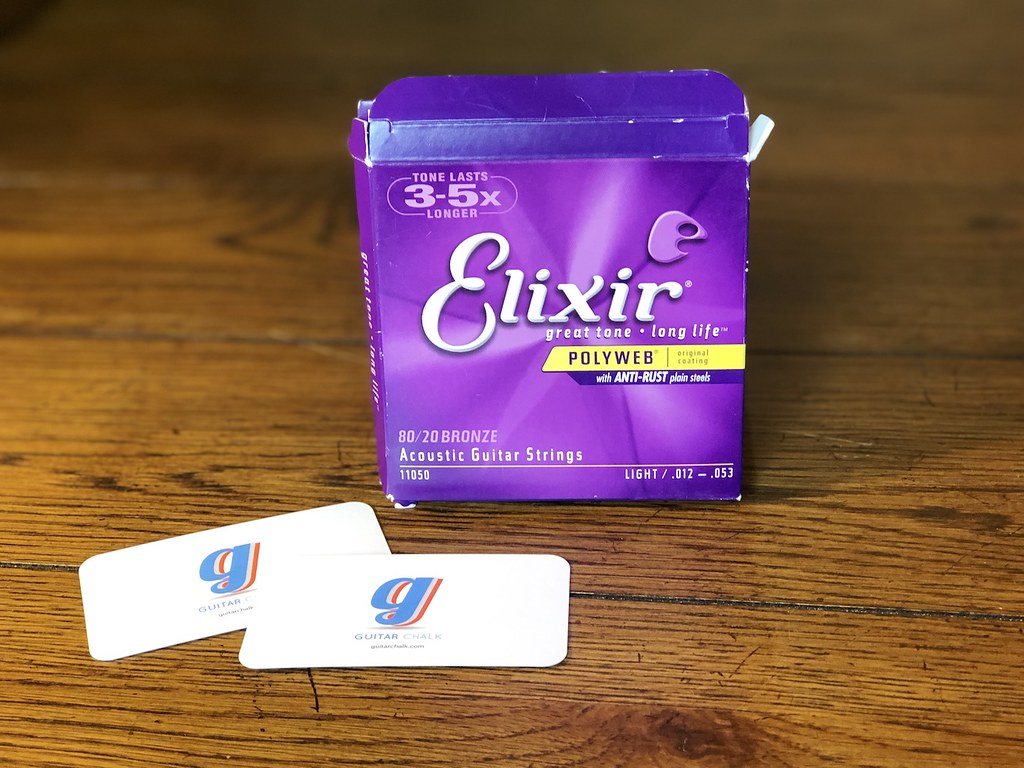
A coating creates a barrier against oxidation and dirt. It keeps the tone more consistent over time.
The benefits of coating for protection
Coated strings cost a little more, but their longer lifespan quickly offsets the investment for regular players.
Elixir is often cited as a benchmark for this type of product. Its treatment also reduces finger-slide noise on the fretboard.
“A well-designed coating turns daily use into savings in both time and money.”
| Feature | Coated | Standard |
|---|---|---|
| Lifespan | High | Moderate |
| Price | Higher | Lower |
| Protection | Excellent | Low |
Flatwound vs roundwound strings
Depending on wire structure, a string can sound bright or more muted.
Roundwound strings are the most common choice on folk guitars. They offer bright resonance and a pleasant feel under the fingers.
By contrast, flatwound models are polished. The result is much more muted and removes part of the sliding noise.
The best choice depends on your style and the sound you expect. Trying both often opens up new sonic possibilities.
The roundwound vs flatwound
How folk guitar strings differ from classical strings
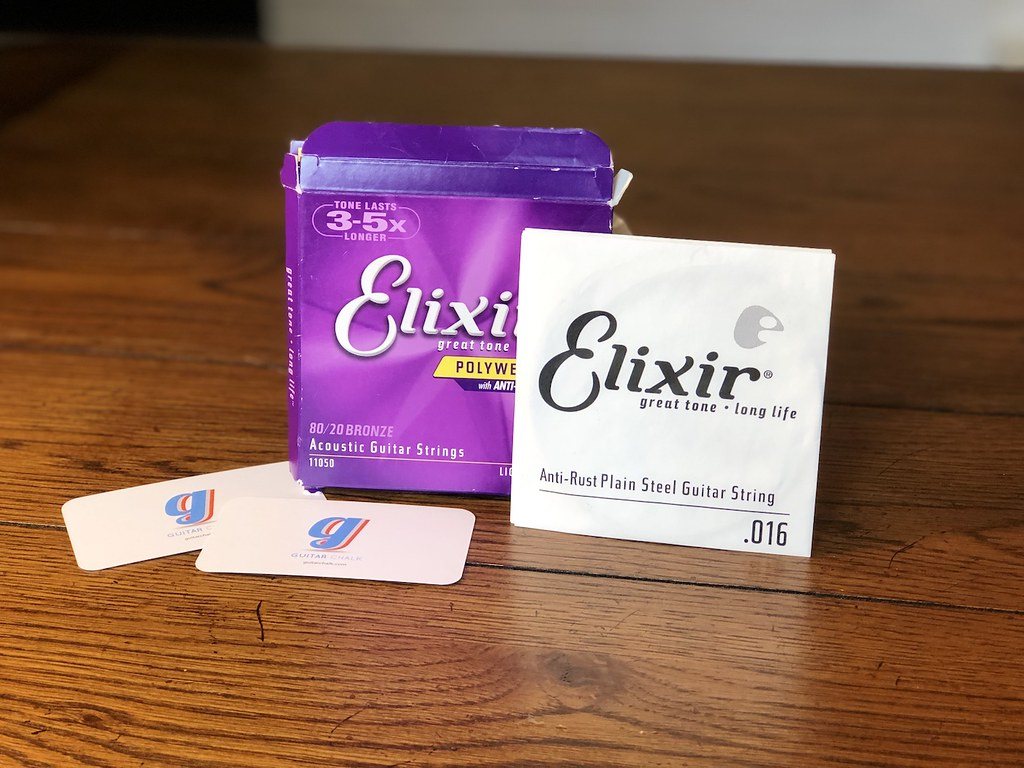
The main difference lies in material and tension. Folk guitars use metal strings such as bronze, steel, or nickel, while classical guitars use nylon trebles and metal-wound nylon basses.
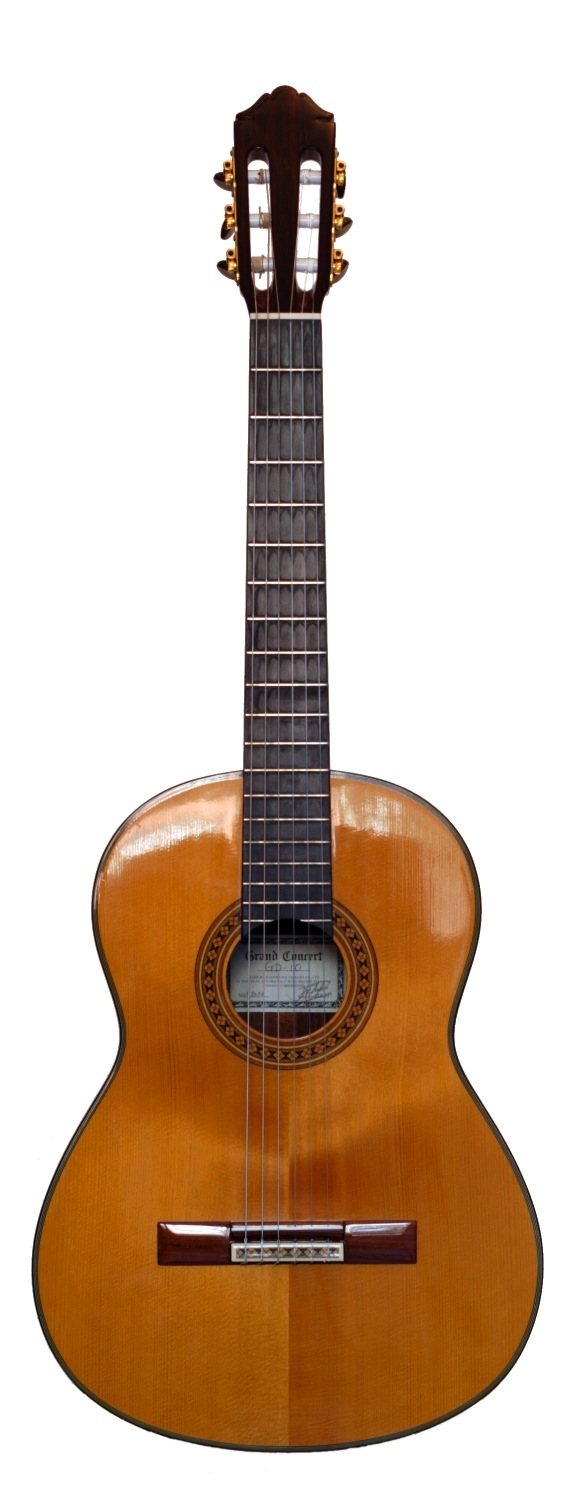
The bass strings on a folk guitar have a larger diameter. They provide a richer foundation and higher tension than classical bass strings.
Warning: never fit metal strings on a classical guitar. Excessive tension can permanently deform the neck.
“Respecting materials and gauges protects the instrument and delivers the best sound.”
| Type | Materials | Diameter / Tension | Sound |
|---|---|---|---|
| Folk | Bronze, steel, nickel | Thicker / higher tension | Rich, powerful |
| Classical | Nylon trebles, wound nylon basses | Thinner / lower tension | Warm, soft |
| Electric | Nickel, steel | Varies by gauge | Precise, pickup-friendly |
The technical differences
Tips for maintaining and replacing your strings
Simple habits after each session prevent oxidation and loss of brightness.
Always clean your instrument. After playing, wipe the guitar strings and fretboard with a soft cloth. This habit limits corrosion and extends the life of the string set.
When to change your strings
For consistent sound quality, change strings every 3 to 6 months depending on how much you play. A very active musician may need to replace them more often.
If strings become dull, hard to tune, or noisy, it is time to change them. Sometimes only one string breaks, but replacing the full set immediately restores balance.
The right replacement method
Always replace strings with a set of the same gauge to avoid having to adjust the neck. Beginners can consult the manufacturer’s site for a step-by-step method.
"Replacing a set while respecting gauge keeps the guitar stable and enjoyable to play.
Conclusion
In short, the match between gauge, material, and coating determines the final sound and comfort. A good choice improves projection, tuning stability, and touch.
Maintaining your instrument regularly and cleaning it after each session extends brightness and string life. Periodic replacement remains essential for rich resonance.
Try several brands and types to find your sound.
FAQ
What are the tonal differences between a light gauge and a heavy gauge?
A light gauge offers more flexibility and makes bends easier, which is ideal for fingerpicking and beginners. A heavy gauge provides more power, sustain, and projection, better suited to strumming and flatpicking. Neck relief and action may need adjustment if you move to a higher gauge.Which materials affect the tone of folk guitar string sets?
80/20 bronze gives a bright sound rich in harmonics. Phosphor bronze brings more warmth and better longevity. Silk-and-steel strings offer a softer feel and a more muted sound, often preferred for delicate playing or sensitive fingers.Is coating useful for extending string life?
Yes. Coated strings resist oxidation better and keep their brightness longer, especially if you sweat or play often. Coating can slightly change the feel under the fingers and soften some harmonics, but it reduces the number of string changes needed.How often should a set be replaced?
Replace strings as soon as the tone becomes dull, intonation worsens, or oxidation appears. For a regular player, that often means every 4 to 8 weeks; for occasional use, every 3 to 6 months.How can you identify flatwound versus roundwound strings?
Flatwound strings have a flat ribbon wrapped around the core, giving a smoother feel and less brightness. Roundwound strings use round wire, producing more harmonics and a brighter sound. The choice depends on finger comfort and the tonal character you want.Can classical nylon strings be used on a folk guitar?
It is not recommended. Folk guitars are generally designed for steel or silk-and-steel strings and a different bridge system, while classical guitars use nylon and different tension. Putting nylon strings on a folk guitar can hurt tuning stability and tone.Which gauge is best for a beginner?
A light or extra-light gauge, such as .010-.047, makes learning easier thanks to lower tension and less finger fatigue. Beginners with sensitive fingers may also prefer silk-and-steel sets to reduce pressure on the fingertips.Should you choose specific brands for quality and comfort?
Brands such as D’Addario, Elixir, Ernie Ball, and Martin offer reliable, well-documented ranges. Choose according to material, such as phosphor bronze, bronze, or coated strings, and the gauge that suits your playing and guitar.Does changing gauge require a visit to a luthier?
Not always for a small adjustment. For a major jump, such as light to heavy, it is better to have neck relief, action, and intonation checked by a luthier to avoid excessive tension or issues around the neck joint and top.What is the best way to replace a set correctly?
Loosen and remove each string one by one, clean the fretboard, install the new string with the proper number of wraps at the bridge and tuning post, then tune gradually. Stretch each string lightly and retune several times until stable.Are nickel-plated strings suitable for a folk guitar?
Nickel-plated strings are mainly intended for electric guitars. On a folk guitar, steel, bronze, or phosphor bronze are usually preferred for their acoustic response. Nickel can be used on some hybrid instruments, but it is not the most common option.Does the string core affect feel?
Yes. A round core tends to offer more warmth and flexibility, while a hex core improves wire grip and produces a brighter sound. This detail affects stability and feel under the fingers.Do anti-corrosion treated strings change the sound?
Slightly. The treatment reduces oxidation and only modestly changes high-frequency response. Many players find the tonal impact minimal compared with the advantage of a longer lifespan.Useful references
Related Mountain Men guides
Related Mountain Men guides
Leave a Reply