
Choosing your first guitar has a major impact on your progress. In 2025, many musicians choose a Yamaha folk guitar to start learning. This model stands out for its reliability and value for money.
The brand’s acoustic guitars often feature a spruce top and a mahogany back. These woods deliver a balanced sound. Sturdy sides ensure good durability over time.
When choosing an instrument, playing comfort should come first. An ergonomic neck helps your fingers get used to string tension. With a well-built model, the guitarist progresses faster without wasting time correcting tuning.
In short: for a first purchase, looking for the right balance between price, comfort and sound ensures lasting, enjoyable learning.
Why the Yamaha folk guitar appeals to beginners
The F310 quickly wins players over: its slim neck and relatively short scale length make it easier to handle. This profile reduces fatigue and helps with finger placement for the first chords.
The tonal spectrum remains clear and powerful. The spruce top gives a balanced sound suited to various styles of music. The result is a clean tone without excessive effort.
Yamaha applies strict quality control to every instrument. The low action optimizes playing comfort and limits pressure on the strings. Few models offer such a balance between sound and reliability at this price.
- Slim neck: makes complex chords easier to play.
- Spruce top: a clear sound for trying every style.
- Playing comfort: low action for longer sessions.
- Consistent quality: reliability for worry-free progress.
In short, this model appeals to beginners because it combines ergonomics, quality and sound. The guitarist can focus on learning rather than on adjusting the instrument.
The advantages of the Yamaha brand for learning
The brand’s reputation is built on strict checks at every stage of manufacturing. Every instrument undergoes a systematic inspection, which reduces defects and the adjustments needed after purchase.

This protocol ensures factory-set string action and reliable tuning stability. The result: an instrument that is ready to play, ideal for focusing on learning without wasting time.
Manufacturing reliability
Since the 1960s, the brand’s careful manufacturing has ensured consistent production. Spruce tops and mahogany backs are assembled with precision, even on affordably priced models.
- Impeccable manufacturing: sturdy sides and back built to last over time.
- Very good playability: a contoured neck makes finger placement and playing easier.
- Value for money: a controlled budget is often enough to get a reliable instrument.
To compare options before buying and better define your budget, see a practical guide to choosing your first guitar. It helps you find the right level and the best value for money.
Understanding the specific features of a folk guitar
Steel strings change playing dynamics and offer a brighter sound than nylon. This choice encourages projection, especially for current musical styles.
The body shape influences the result: the Dreadnought provides powerful bass and strong projection, while the Parlor emphasizes mids and comfort for blues or seated sessions.
X-bracing under the top improves resonance and power. The spruce top remains a standard for balanced sound on an acoustic guitar.
The neck-body joint around the 14th fret makes it easier to reach the higher notes. A well-chosen neck ensures better playing comfort and allows guitarists to progress without technical constraints.
- Steel strings: bright sound and good projection.
- Sizes (Dreadnought / Parlor): impact on comfort and power.
- X-bracing: more resonance.
- Spruce top: tonal balance for getting started.
The essential criteria for choosing your first instrument
A minimum budget of 150 € generally allows you to get acceptable construction and setup. This avoids buying a model that is too low-end and slows down your learning.
The top in spruce and the sides in mahogany ensure better sound and greater durability. For example, the Fender CD-60S illustrates this combination well with a solid top and a mahogany back.
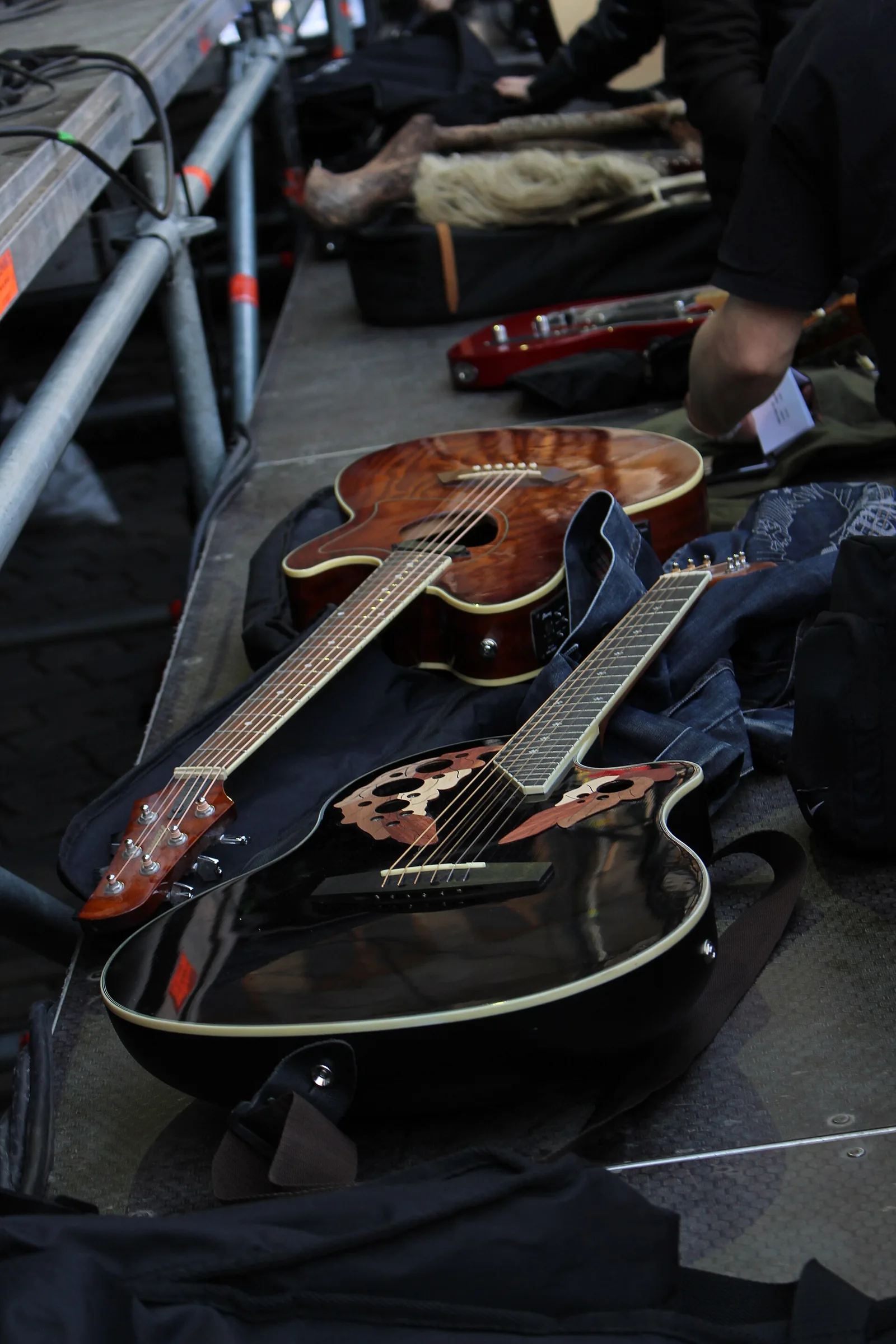
Take the size of your hands into account when choosing the neck. A suitable profile reduces fatigue and makes chord placement easier.
Key points to check
- Budget: ensure a minimum level of manufacturing quality.
- Comfort: suitable body size and neck profile.
- String action: an essential setup point for playing comfort.
- Wood quality: spruce top and mahogany sides for good sound.
To refine your choice and compare models, see a practical guide to choosing your first guitar. Good value for money turns the purchase into an investment in your progress.
The importance of playing comfort for progress
Playing for a long time without pain starts with a properly set-up instrument. Good playing comfort reduces fatigue and makes regular sessions more enjoyable.
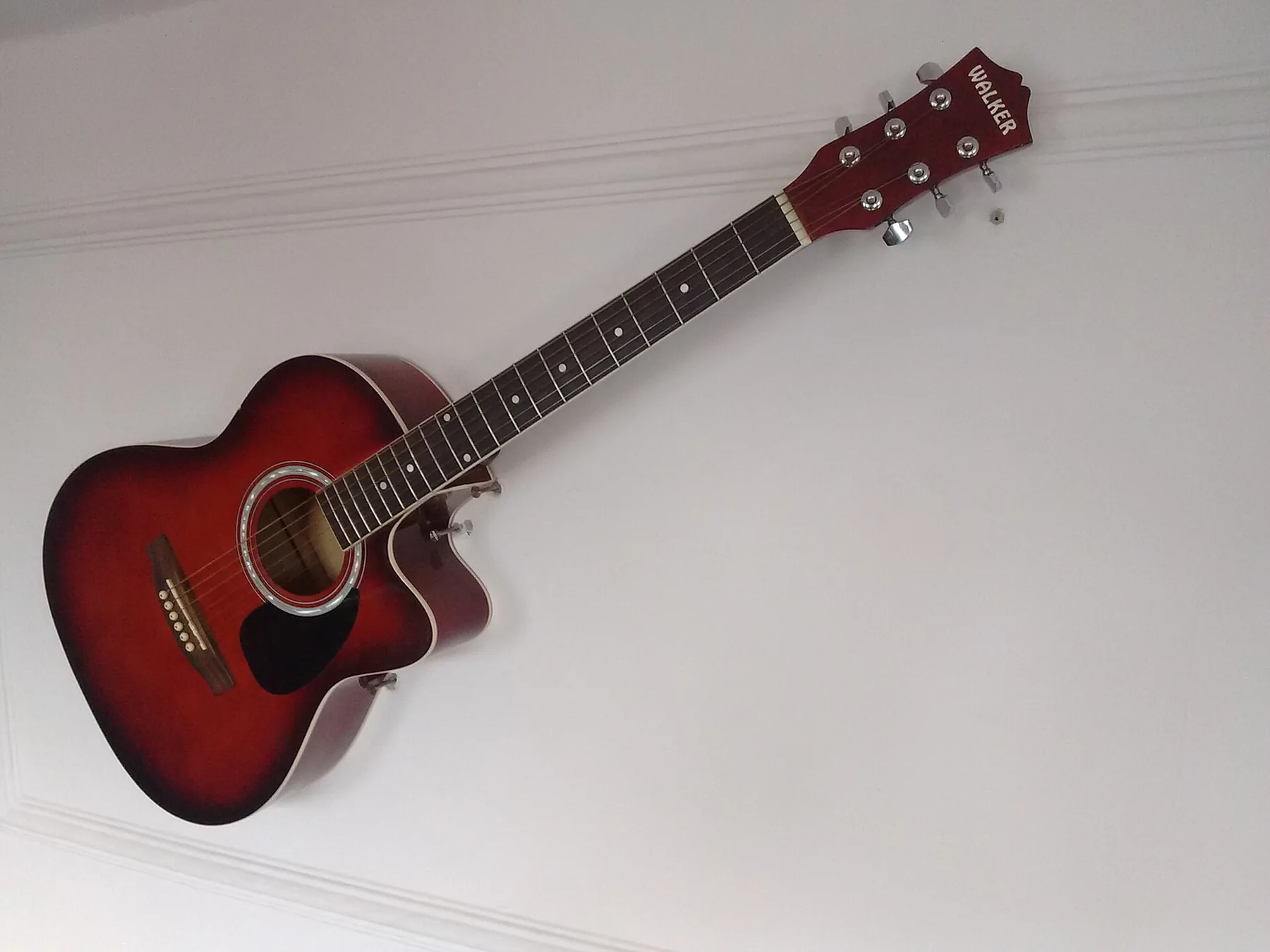
Choosing the neck profile: a contoured C-shaped neck makes the instrument easier to handle. It offers a natural grip that helps the fingers move without tension.
String action: the distance between the strings and the neck affects the force needed to press down. A professional setup reduces finger pain and supports learning.
Body size: Concert formats or smaller are better suited to slimmer body types. They improve posture and prevent tension in the back and shoulders.
- Comfort = regular practice.
- Suitable neck profile = less fatigue.
- Well-set action = easier pressure on the strings.
- Body size to take into account for posture.
In brief: choose a comfortable instrument to turn every session into real, lasting progress.
A closer look at the essential Yamaha models
Iconic models combine sturdy manufacturing with a sound suited to guitarists who are progressing. The FG800, designed in the lineage of the 1960s models, stands out with its solid Sitka spruce top. Its X-bracing strengthens projection and brings a deep sound.
The F310 remains a very popular option for a first guitar. It offers excellent value for money and notable playing comfort thanks to an accessible neck. These two models therefore cover different needs: lasting quality or a controlled budget.
The Black and Sunburst finishes, along with the frequent use of mahogany sides and back, add depth to the tone. Few instruments in this range offer such versatility for playing several styles of music.
- FG800: Sitka spruce top, powerful projection.
- F310: value for money and neck comfort.
- Varied finishes and careful manufacturing built to last.
Comparison of wood species and their impact on sound
The choice of wood radically transforms an instrument’s response and character. It influences projection, sustain and harmonic richness.
Solid top versus laminate
The solid spruce top offers richer resonance and a more nuanced sound than laminate. Over time, it “opens up” and gains complexity.
Laminate remains a robust solution. It better withstands climate variations and suits entry-level guitars or travel.
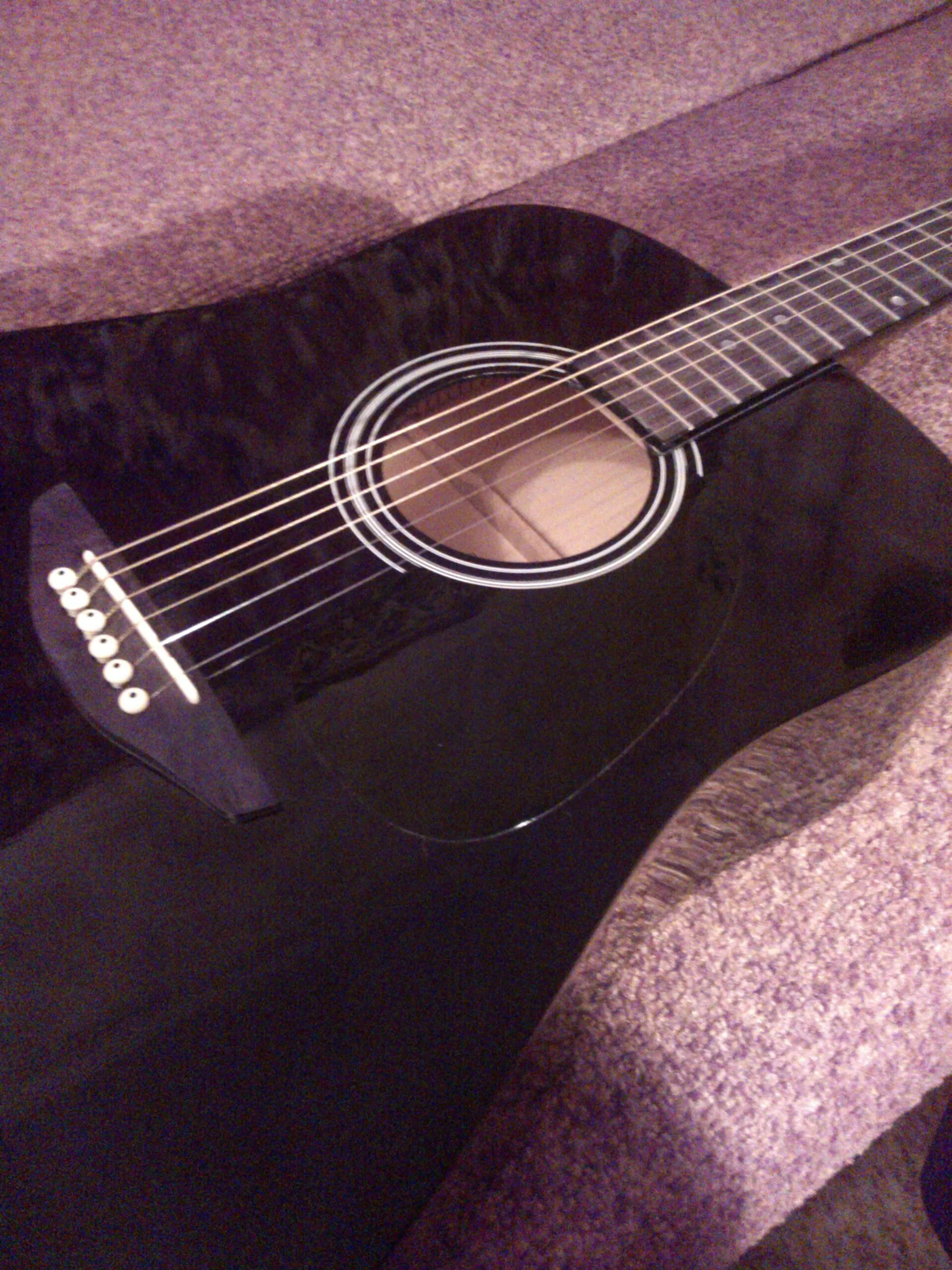
The use of mahogany for the back and sides adds warmth and a midrange foundation. Mahogany backs and sides promote good projection, ideal for accompanying vocals.
- Example: the Fender CD-60S combines a solid spruce top and a mahogany back for a balanced sound.
- Example: the Cort Earth 100 uses solid Sitka spruce for an expressive signature.
Ultimately, the decision between a solid top and laminate depends on budget, intended use and sound preference. Understanding these choices helps you select the best guitar for your playing.
Essential accessories for getting off to a good start
A minimal set of quality equipment radically changes your first hours of practice.
Electronic tuner: it ensures your guitar stays in tune at every session. It is the most useful tool, whatever your level.
Extra-light strings: they reduce tension and finger pain. They are ideal for long sessions and for learning faster.
- Padded gig bag: protects the instrument from knocks and temperature changes.
- Capo: changes the key without changing chord positions.
- Various picks and strap: improve comfort and allow you to explore different styles of music.
| Accessory | Role | Buying advice |
|---|---|---|
| Tuner | Keep the instrument in tune | Accurate clip-on electronic model |
| Extra-light strings | Reduce finger pain | Change the strings regularly to preserve sound quality |
| Gig bag | Protection and transport | Padded model, resistant to temperature changes |
| Capo | Transpose easily | Choose a recognized brand for durability |
Investing in quality accessories makes learning easier and protects your purchase. To compare options before buying, see a practical guide to choosing your first guitar well.
Tips for maintaining your guitar over time
Simple, regular habits are enough to prevent the wood from deteriorating over time. Maintain a stable humidity level between 40% and 60% to protect the body and neck.
After each session, wipe the strings and fretboard to remove sweat and residue. This extends string life and preserves good sound.
Treat the neck with suitable products once or twice a year. Gentle cleaning prevents the wood from drying out and limits warping.
- Always store your instrument in its case to avoid knocks and climate variations.
- Have the guitar serviced by a luthier once a year for optimal setup.
- Take string wear into account and replace them before they alter sound quality.
Maintaining your guitars takes time, but it is the best way to preserve the value of your purchase. For practical advice before buying or starting guitar or bass, see this guide.
Effective methods for learning folk guitar
Adopting a short, regular routine turns learning into visible progress. Fifteen minutes a day is better than one long isolated session. It protects the fingers and supports memorization.
Combine video tutorials and in-person lessons: free YouTube videos help you absorb the basics. A teacher quickly corrects bad posture and refines your technique.
Start with basic chords and prioritize good playing comfort. An instrument with a spruce top, mahogany back and sides produces a motivating sound. Properly set steel strings help you work on barre chords without forcing.
Use complete methods (DVDs, interactive apps) to structure your sessions. They make training more playful and measurable, which is useful when your budget limits your choice of models.
- Short, regular routine.
- Lessons and tutorials to correct technique.
- Interactive methods to track progress.
To follow a structured progression, see a complete method, which details the exercises and progression by level.
Conclusion
A good instrument turns the first lessons into motivating and productive moments. Choosing a reliable folk guitar makes practice easier and keeps the desire to progress alive.
The spruce top and careful construction offer a beautiful sound and genuine playing quality. Take care of the strings to preserve tone and comfort. Regular maintenance extends the life of your instrument.
Try several models to find the one that matches your body type and tastes. With perseverance and a suitable instrument, you will discover all the pleasure that comes from playing folk guitar.
Leave a Reply