
Folk music is often born from the voice of the people. An acoustic guitar, a simple melody, and lyrics are enough to tell stories of lives, struggles, and joys.
This guide traces the genre’s deep roots, from British ballads to African American work songs. It shows how modest tunes become cultural landmarks.
By reading this feature, you will understand why this style remains a reference point for contemporary artists. You will follow the circulation of oral traditions and the power of committed lyrics.
To explore the categories and debates around these labels in more depth, see this overview of terminology in ethnomusicology. This text lays the groundwork for a clear and accessible exploration.
Folk Music: Definition, Origins, and Major Milestones
A single guitar and an honest voice are often enough to pass down stories that travel across generations.
Folk music relies on simplicity. The lyrics take center stage. The voice acts as the messenger. The guitar accompanies without seeking virtuosity.
This genre favors raw emotion. Every performance becomes a moment of immediate sharing. The audience receives the story as if it were being told face to face.
The minimalist structure helps transmission. Simple chords leave room for the words. In this way, local themes travel beyond borders.
- Authentic storytelling carried by the voice.
- Guitar as rhythmic and harmonic support.
- Sincerity and closeness with the audience.
| Characteristic | Role | Effect |
|---|---|---|
| Lyrics | Center of the message | Direct transmission |
| Voice | Mediator | Emotional connection |
| Guitar | Accompaniment | Simple frame for the story |
To explore the relationship between popular tradition and contemporary practices in more depth, see this analysis of folklore and traditions.
The Historical Roots and the Protest Movement
Popular tunes have served as a mirror for people’s conflicts and hopes. The roots of folk music reach into songs passed down orally: ballads from the British Isles and African American spirituals helped nourish a living repertoire.
Traditional Ballads
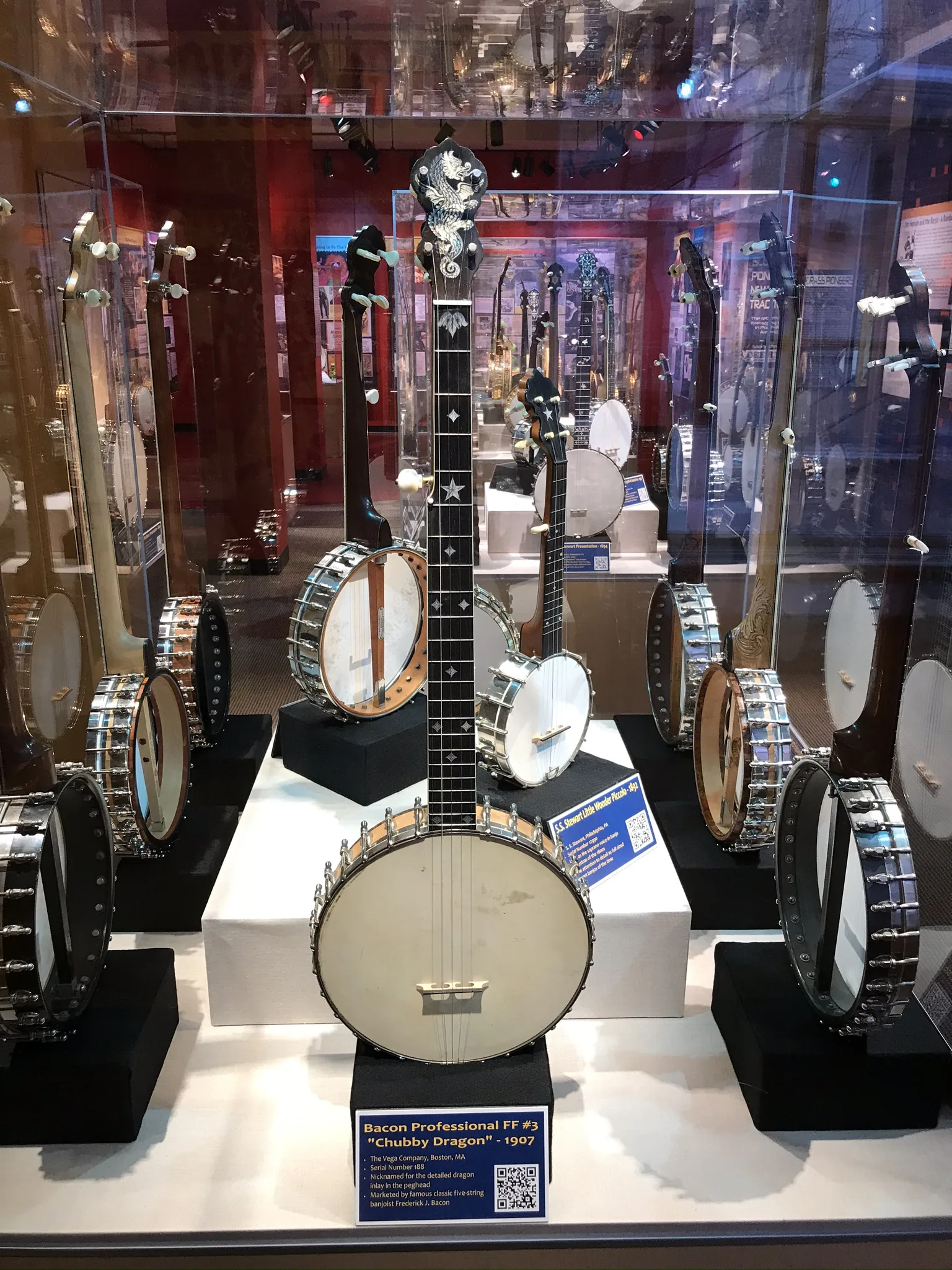
These ballads tell of daily life, journeys, and tragedies. They circulate without sheet music. Each performer changes a detail, and then the song travels on.
The Social Role of Songs
Woody Guthrie traveled across America during the Great Depression. He used his guitar to record the lives of those left behind.
In the 20th century, artists such as Pete Seeger saw these songs as a lever for social change. The 1960s movement turned this repertoire into a tool for mobilization.
- Transmission: songs pass from generation to generation.
- Commitment: every melody becomes a mouthpiece for civil rights struggles.
- Adaptation: old traditions reinvent themselves according to the era.
For a historical overview of the revivalist movement, see this feature on the revivalist movement, which places these legacies in context.
The Golden Age and the Evolution of the Genre’s Icons
The 1960s saw the emergence of icons whose artistic choices redrew the musical landscape. This period mixed rebellion, poetry, and sonic experimentation.
The revolution led by Bob Dylan began with literary writing and dense lyrics. His move to electric instruments caused a scandal, but it proved that the genre could evolve without losing its soul.
The Poetry of Leonard Cohen
Leonard Cohen added a dark and mystical dimension. His albums offer mature, poetry-like lyrics that enriched the history of the genre.
The Introspection of Joni Mitchell
Joni Mitchell turned song into intimate confession. Her harmonies and unusual chords influenced a generation of artists.
- Artists such as Joan Baez made the voice a form of political commitment.
- Simon & Garfunkel developed sophisticated vocal harmonies and an urban folk rock sound.
- Neil Young, in the late 1960s, explored personal ruptures and new sonic textures.
Result: the genre evolved toward more complex melodies, albums conceived as life stories, and a lasting influence on contemporary music.
The Sound Aesthetic and Acoustic Instruments
The sound color rests on strings, wood, and sometimes a discreet breath that extends the voice.
Acoustic instruments are chosen so they do not cover the lyrics. They ensure a direct, sober sound without artifice.
The guitar holds a central place. Fingerpicking creates delicate arpeggios that support the narrative.
The harmonica, often mounted on a neck holder, works like a second voice. It extends the melody and enriches the sound space.
- Minimal production to capture the moment and its sincerity.
- Priority given to interpretation rather than virtuosity.
- Instruments chosen to serve the song and the story.
| Instrument | Role | Effect |
|---|---|---|
| Guitar | Fingerpicking accompaniment | Precise arpeggios, narrative support |
| Harmonica | Second melodic voice | Breath that answers the singing |
| Other instruments, such as banjo or fiddle | Color and punctuation | Traditional textures |
Result: the aesthetic encourages intimate listening. The audience feels as though the performer is right in front of them, without artifice.
Regional Currents and the Diversity of Folk in France
French folk comes in a thousand colors according to local regions and regional languages. Each region tells its own stories through local instruments, languages, and dances.
The Revival of Breton Folk
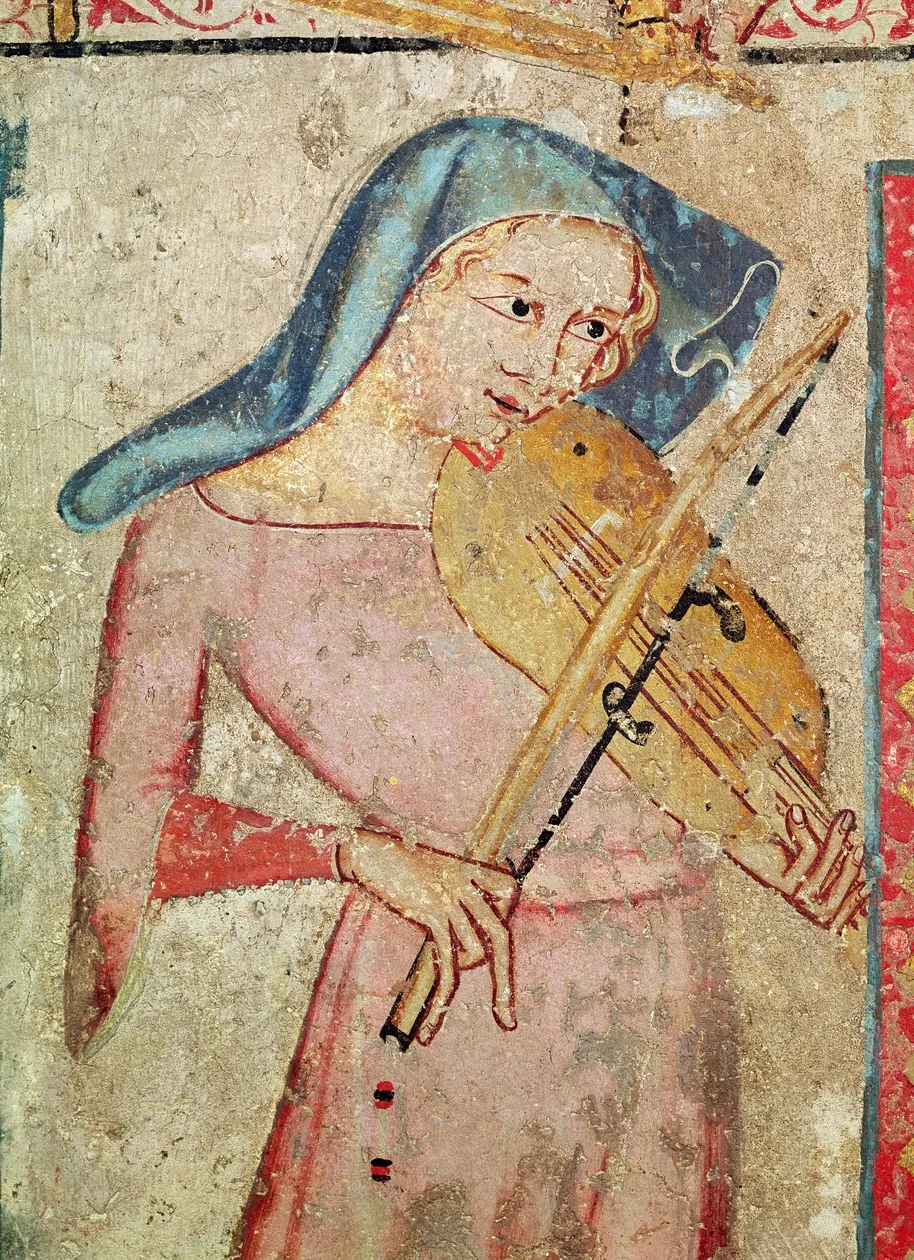
Alan Stivell played a major role in popularizing Breton folk by reintroducing the biniou and the bombarde in modern formats. His work in the 1960s allowed the genre to reach a broad audience.
The Richness of the Occitan Repertoire
The Occitan repertoire highlights the local language and ancient melodies. The group Lo Còr de la Plana illustrates this tradition well by reinventing popular songs through vocal polyphony and body percussion.
Result: the selection of regional artists shows how traditions and new influences coexist. Regional groups transform tales and dances into vivid stage moments, thereby preserving local history.
For an in-depth reading on regional transformations, see this regional analysis.
Learning and Immersion in Festivals
Immersing yourself in a regional festival speeds up learning and anchors repertoires in their context.
The Benefits of Instrumental Practice
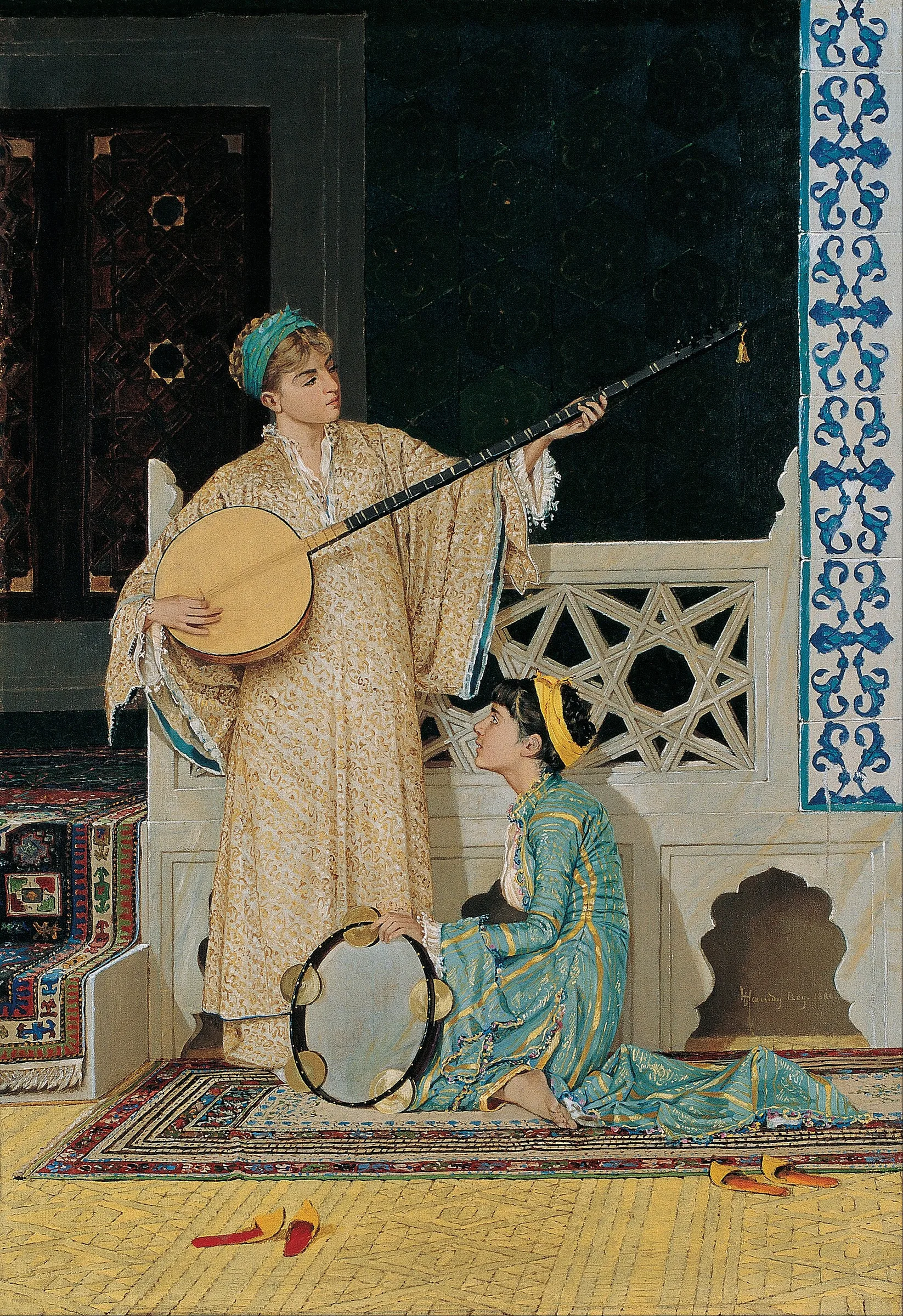
Lessons at a conservatory provide technical reference points. They teach guitar playing, rhythmic work, and the learning of tunes.
Taking part in events — Festival Interceltique de Lorient, Les Nuits de Nacre in Tulle, Festival du Bout du Monde in Crozon, or Vieilles Charrues — puts what has been learned into a real-life setting.
On stage, listening, coordination, and creativity develop faster than when working alone at home.
- Lessons structure artists’ progress over several years.
- Festivals encourage exchanges between groups and teachers.
- The regional selection guarantees a discovery of local traditions and their history.
Result: instrumental practice, through lessons and festival immersion, shapes performers capable of transmitting the repertoire with meaning and originality.
The Lasting Legacy of Folk in Modern Music
Old refrains still resonate in albums and on today’s stages.
The influence can be seen everywhere: folk rock, born in the late 1960s, blended vocal harmonies with electric guitars. Groups such as The Byrds even influenced famous pop acts.
Icons — Bob Dylan, Joan Baez, Leonard Cohen, and Joni Mitchell — left visible marks on the evolution of creation. Their legacy flows through the music of the following century.
In the 1980s, Bruce Springsteen brought the tradition back to its simplicity with the album Nebraska. His voice and guitar recall the spirit of Woody Guthrie.
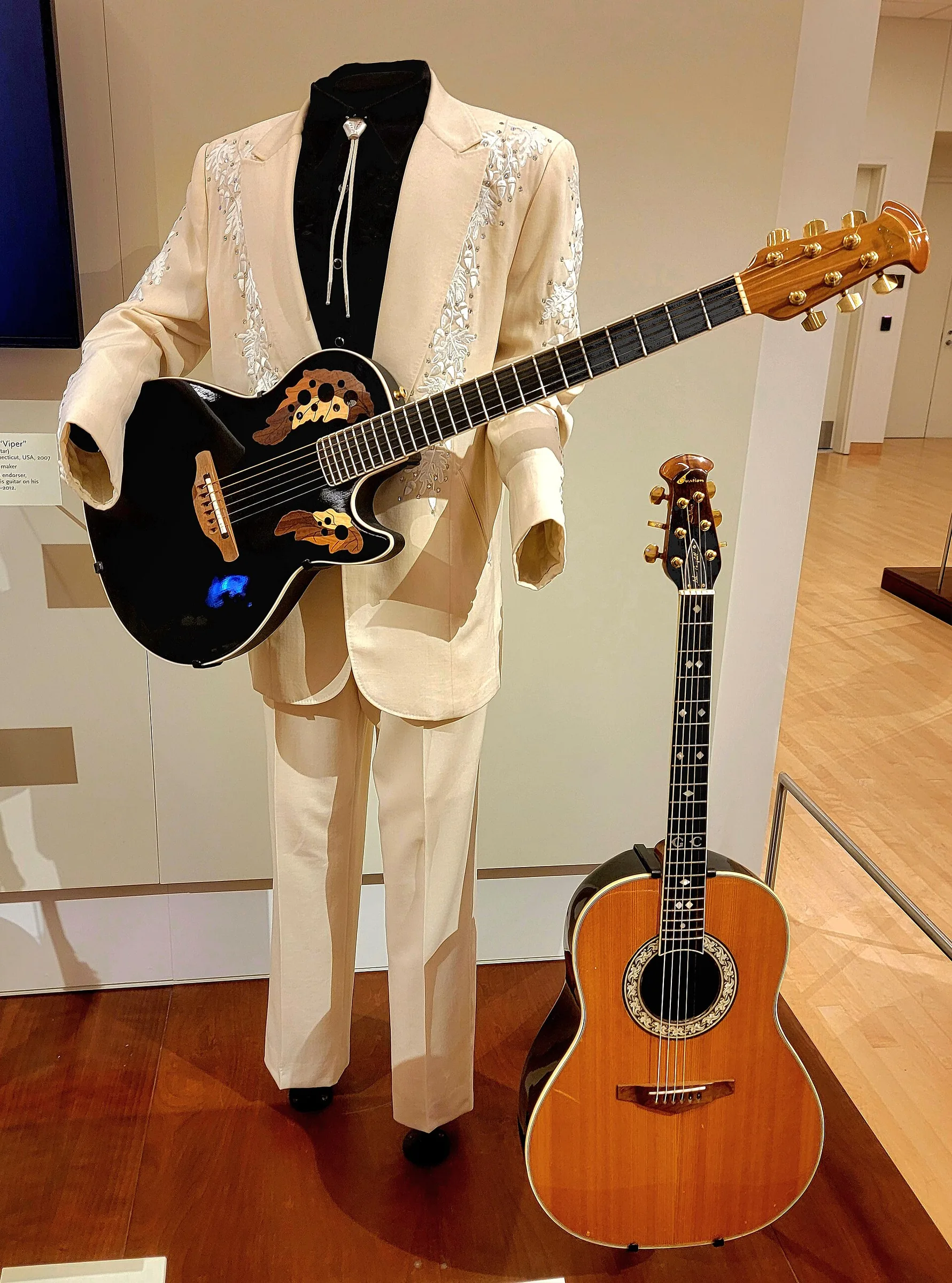
- Artists such as Bon Iver continue this spirit today.
- The selection of essentials includes Neil Young to show the breadth of the influence.
- Each generation rediscovers these traditions and reinvents them.
| Element | Example | Effect |
|---|---|---|
| Album | Nebraska | Return to the roots, voice and guitar |
| Group | The Byrds | Popularization of folk rock |
| Artist | Bob Dylan | Evolution of lyrics and song |
Result: the history of the genre continues to feed current creations. Influences cross styles and nourish an evolution that is still ongoing.
Conclusion
This exploration shows that modest songs become powerful witnesses. Woody Guthrie and Joni Mitchell illustrate that a simple guitar and a true voice are enough to create major works.
The selection of essential albums recalls the strength of simplicity. Harmonies, lyrics, and the use of acoustic instruments such as the harmonica cross generations without losing their sincerity.
Result: the genre retains a vivid influence on contemporary creation. Its ability to preserve traditions and tell stories remains intact.
To explore the movement in more depth, read this text on the folk movement.
Leave a Reply